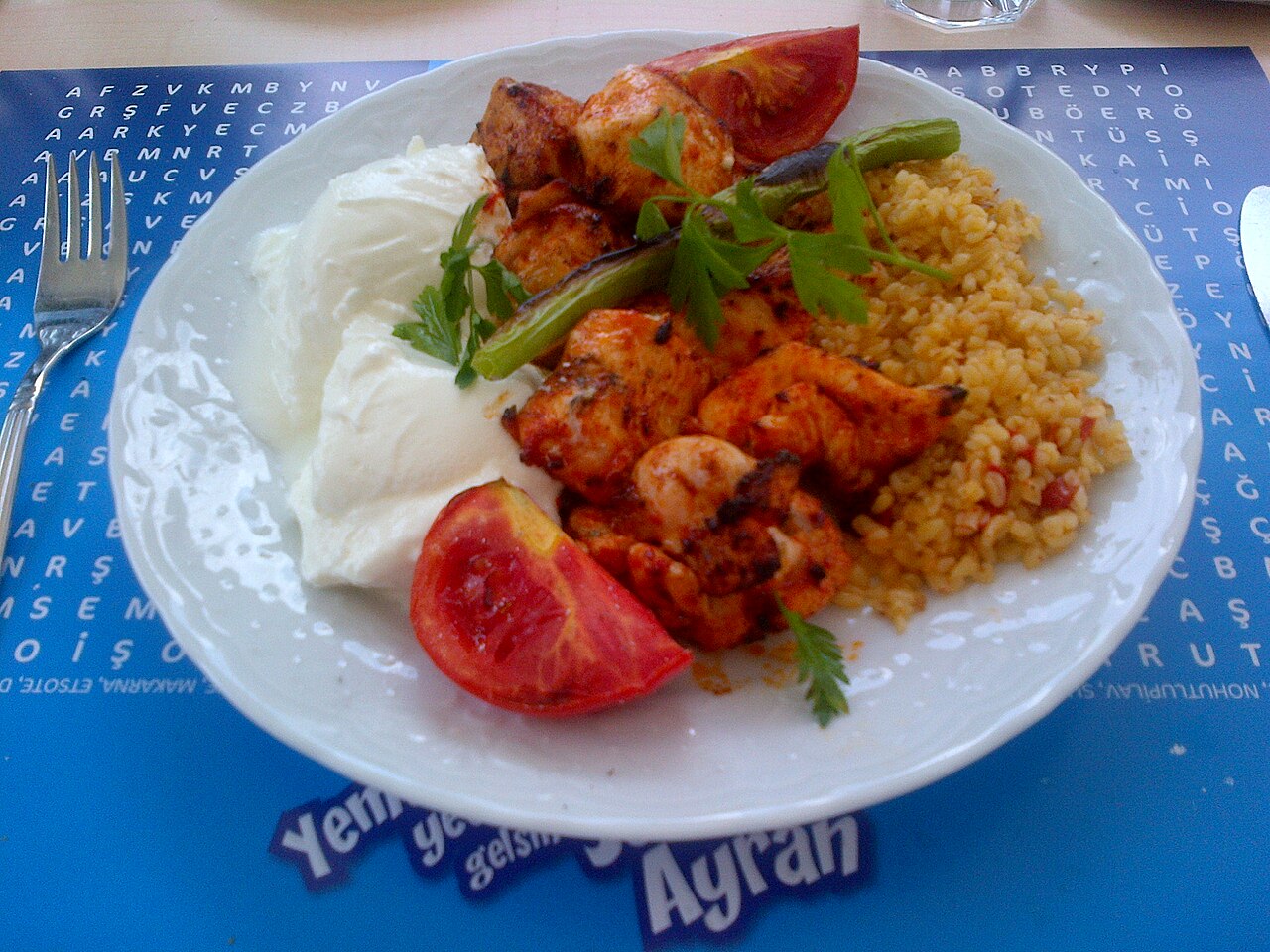
Tavuk şiş with bulgur pilavı & çoban salad
57g protein
462 kcal25 min12.3g / 100 kcal
High-protein Middle Eastern cooking here starts in Turkey, where grilled meat, lentils and yogurt already do most of the work, and it will grow to take in the rest of the region. There are 8 plates so far, carrying 41g to 57g of protein at 430 to 661 kcal: menemen for breakfast, tavuk şiş, mercimek soup with chicken, a lahmacun-style lavash, Adana-style köfte, karnıyarık and hünkar beğendi, and imam bayıldı with chickpeas as the vegetarian dinner.
8 meals
57g protein
462 kcal25 min12.3g / 100 kcal
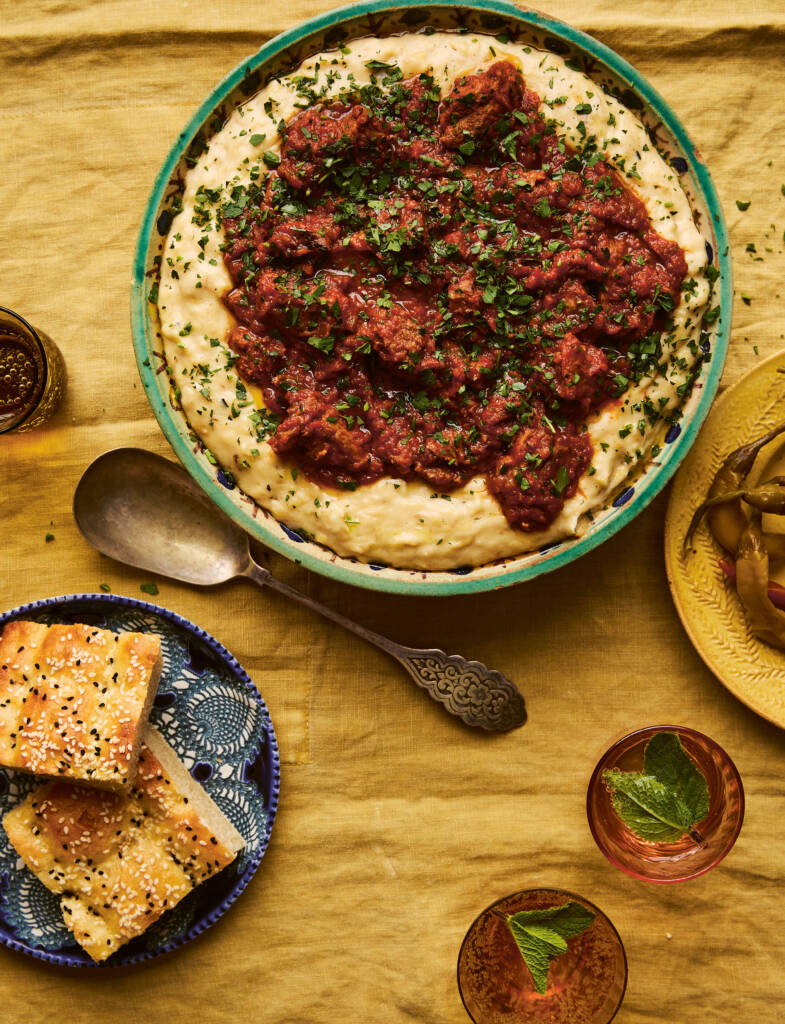
56g protein
558 kcal75 min10.0g / 100 kcal
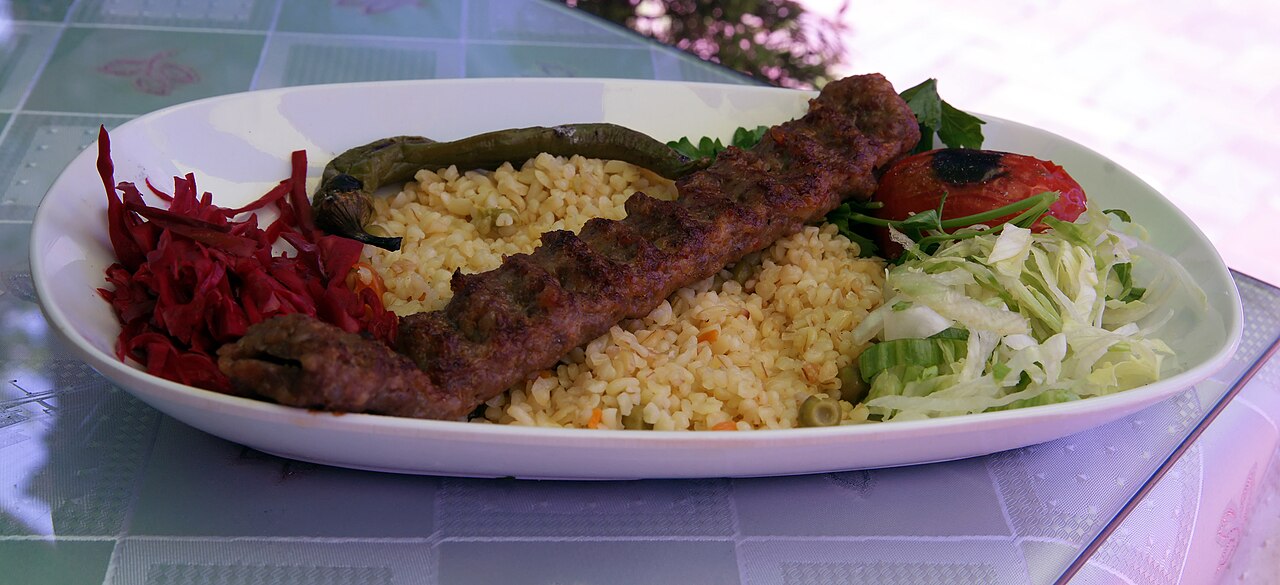
54g protein
473 kcal30 min11.4g / 100 kcal
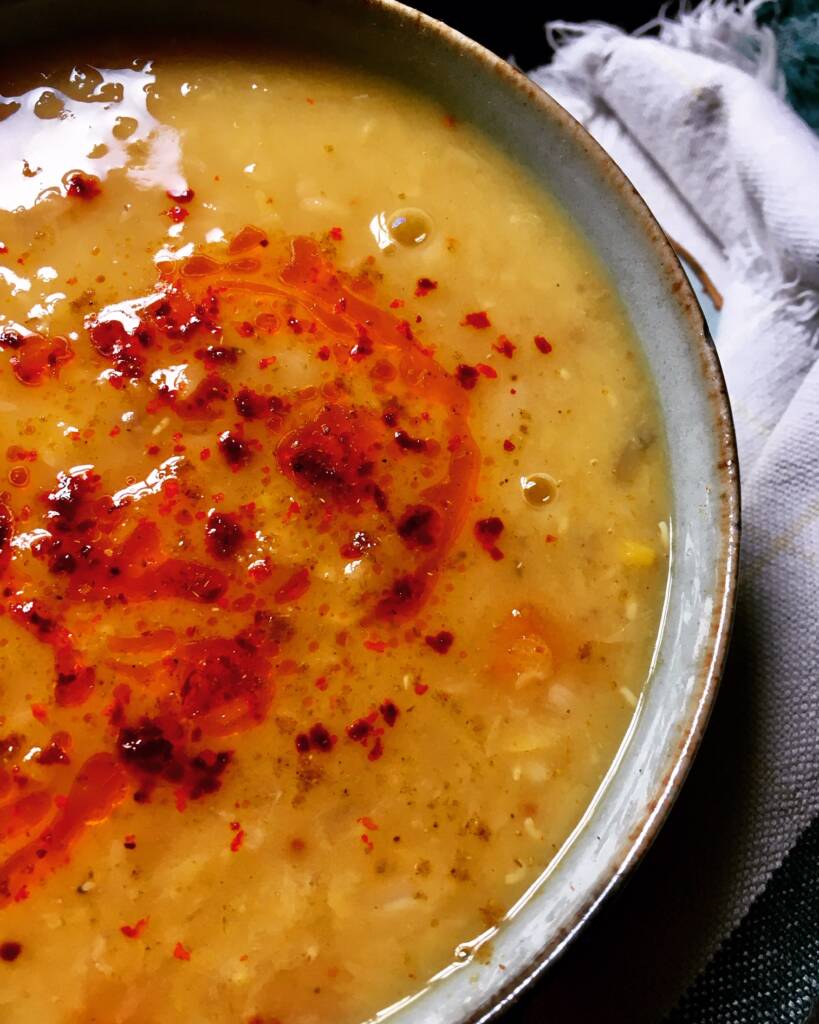
54g protein
498 kcal35 min10.8g / 100 kcal
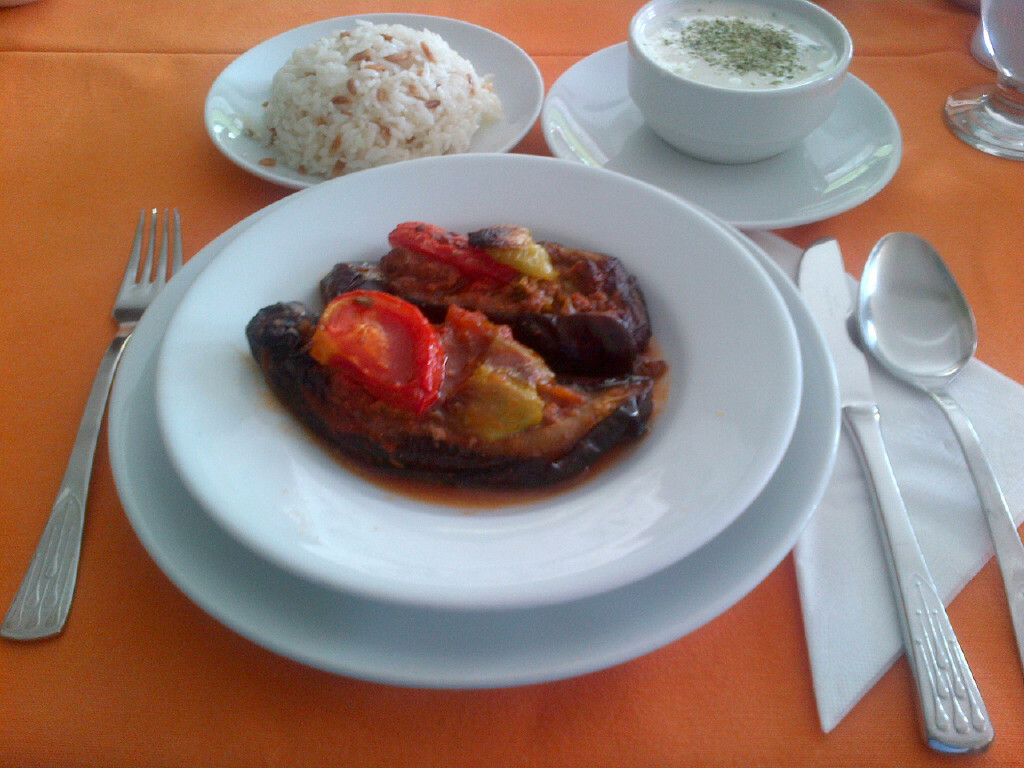
52g protein
542 kcal55 min9.6g / 100 kcal
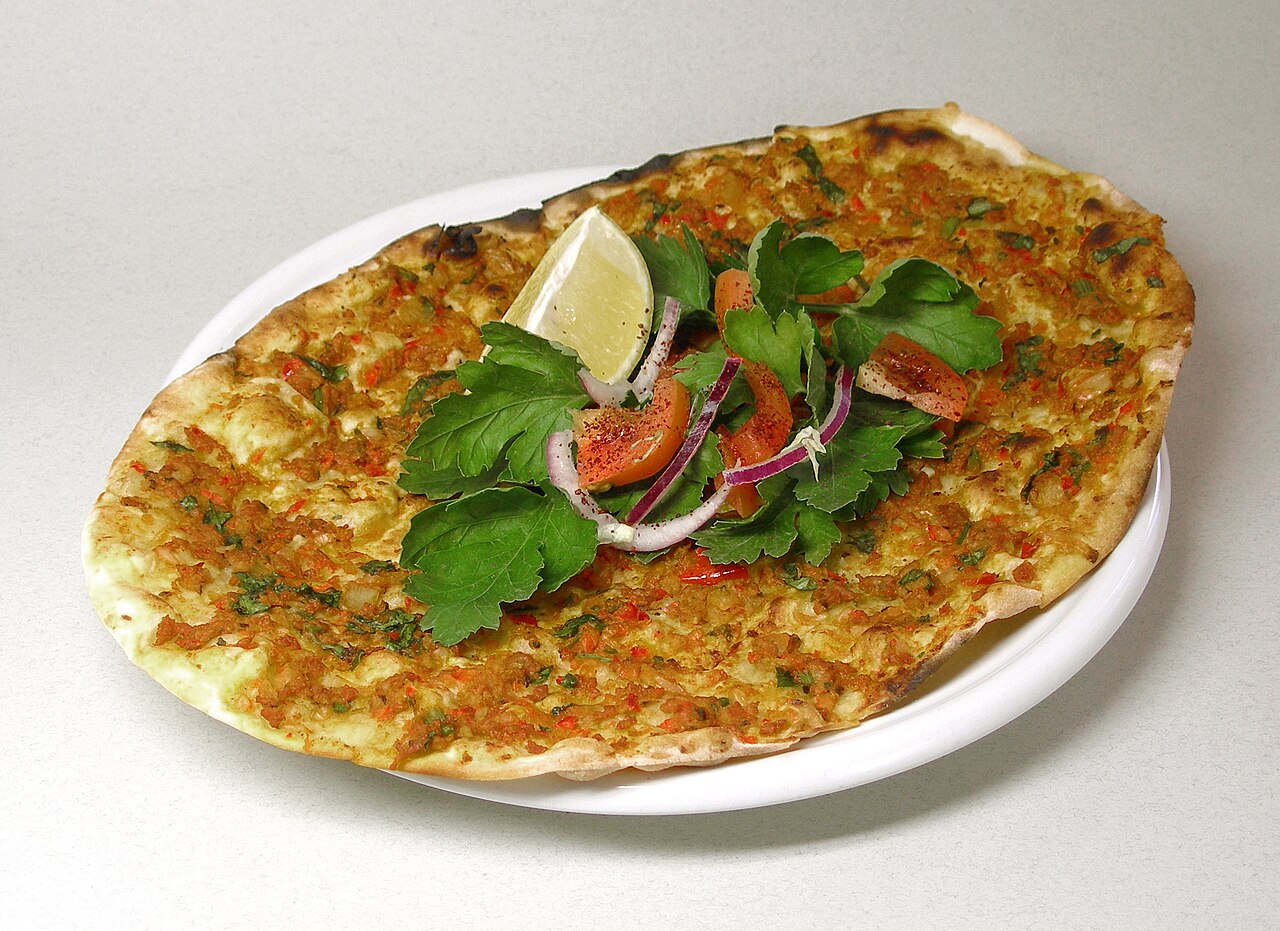
48g protein
483 kcal25 min9.9g / 100 kcal
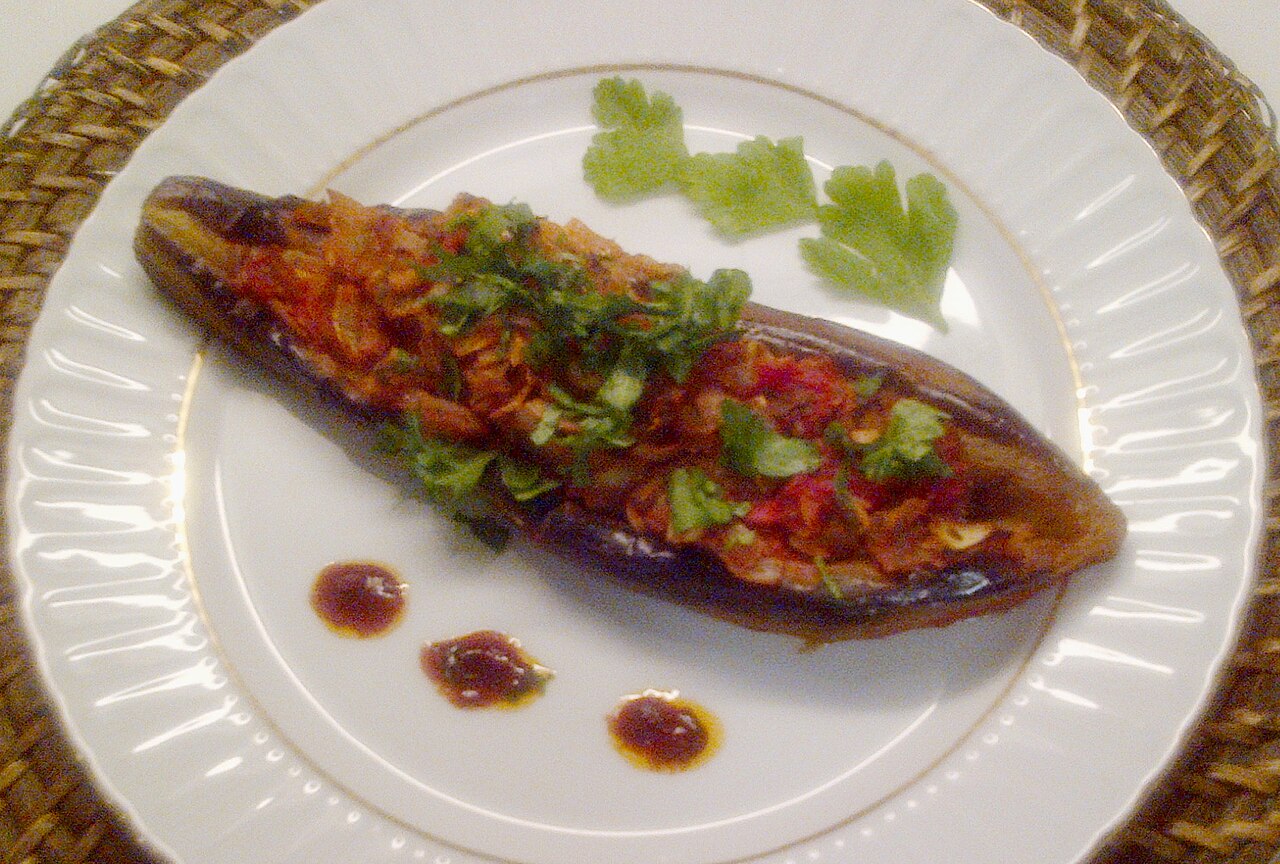
46g protein
661 kcal60 min7.0g / 100 kcal
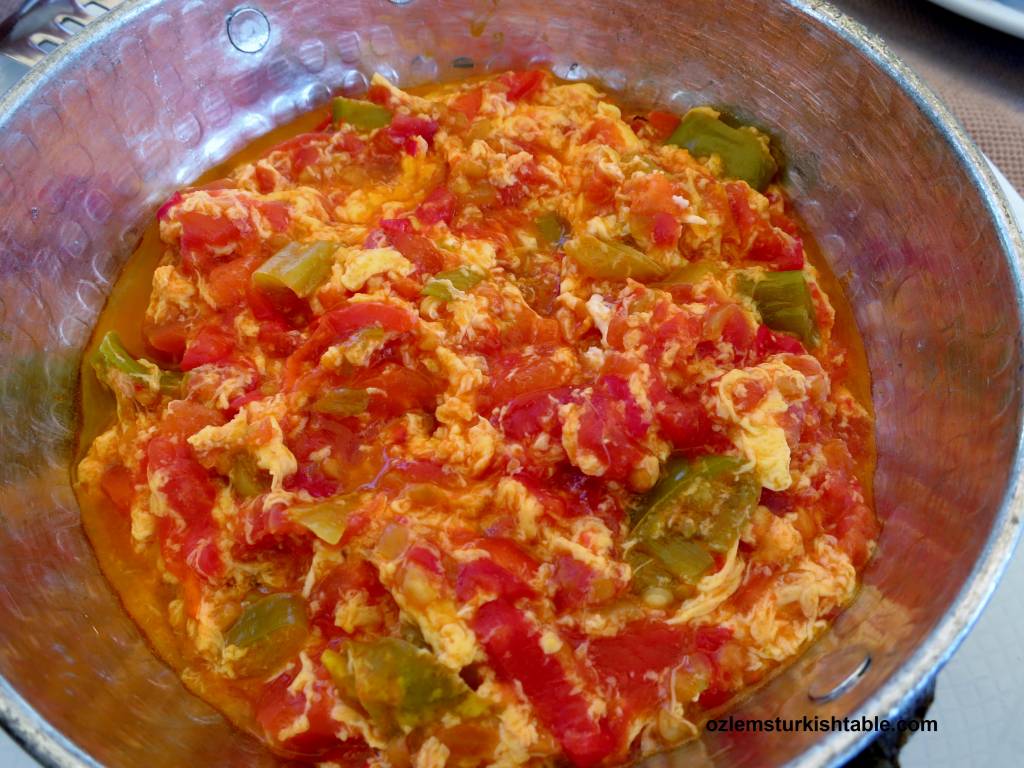
41g protein
430 kcal15 min9.5g / 100 kcal
Serving suggestion — a photo of this kind of dish, not of this recipe.
Nothing quite it? Build a bowl from the parts, weighed and portioned like everything above.
Turkish home cooking is already close to a high-protein diet: meat grilled on skewers, red lentils in nearly every soup pot, and yogurt served with almost everything. So these 8 plates start there, and the page will grow to take in the rest of the Middle East, from the Levant to Iran, as those dishes are added. Each one is a dish you would recognise in Istanbul, credited to the recipe it was adapted from.
The changes are in the amounts rather than the flavours. Mince is 5% fat beef, lamb is lean leg trimmed of fat, and the protein in each plate is raised with chicken, egg whites, lentils, chickpeas or a bowl of Greek yogurt alongside. Bulgur and rice are weighed cooked, in small scoops. The highest-protein plate is Tavuk şiş with bulgur pilavı & çoban salad, at 57g.
Aubergine soaks up oil like a sponge, and in Turkey it is usually fried before it goes into anything. Raw aubergine has under half a gram of fat per 100g; fried, it carries about 32g (UK composition tables, CoFID). That one step is most of the difference between a light dinner and a heavy one.
3 of the plates here are built on aubergine: Hünkar beğendi: lean lamb on smoky aubergine & yogurt, Karnıyarık: lean beef-stuffed aubergine with rice & yogurt and İmam bayıldı with chickpeas, lentils & garlic yogurt. In each, it is roasted with a teaspoon or two of oil, or charred whole over a flame for hünkar beğendi, and it still collapses the way it should. In the beğendi, Greek yogurt and a little parmesan stand in for the usual butter-and-flour béchamel.
Mince, köfte and anything with raw meat spread on it, like the lahmacun topping, need to be cooked until they are steaming hot all the way through, with no pink left in the middle and the juices running clear. Diced lamb is braised until tender, well past that point. Keep raw meat and its board away from the salads and the yogurt.
Yogurt splits if it boils. Where it goes into something hot, as in the beğendi, it is beaten in off the heat and only warmed through gently.
Of the 8 plates, 1 is a breakfast, 3 are sized as lunches and 4 as dinners, and each is portioned to that share of your day rather than to a generic serving. Use the filter above to see one slot at a time. For a vegetarian dinner, İmam bayıldı with chickpeas, lentils & garlic yogurt carries 46g of protein, and the vegetarian page has the rest of the meat-free plates.
Cooking for more than one? Open a recipe and set how many you are feeding, or add it to your week and the shopping list adds up the raw weights for everyone. Enter your targets first and every plate on this page resizes to them.
Each plate keeps the slot it is cooked for, so the menemen is sized as about 25% of the day, a lunch as about 30% and a dinner as about 35%. Set your own calories and protein and every weight on the card, the yogurt included, moves with them.
Calories and protein are targets to reach. Carbs and fat are limits to stay under. That is why a meal can be marked as fitting your day while its carbs come in well below the number you entered. Where the numbers come from covers the rest.