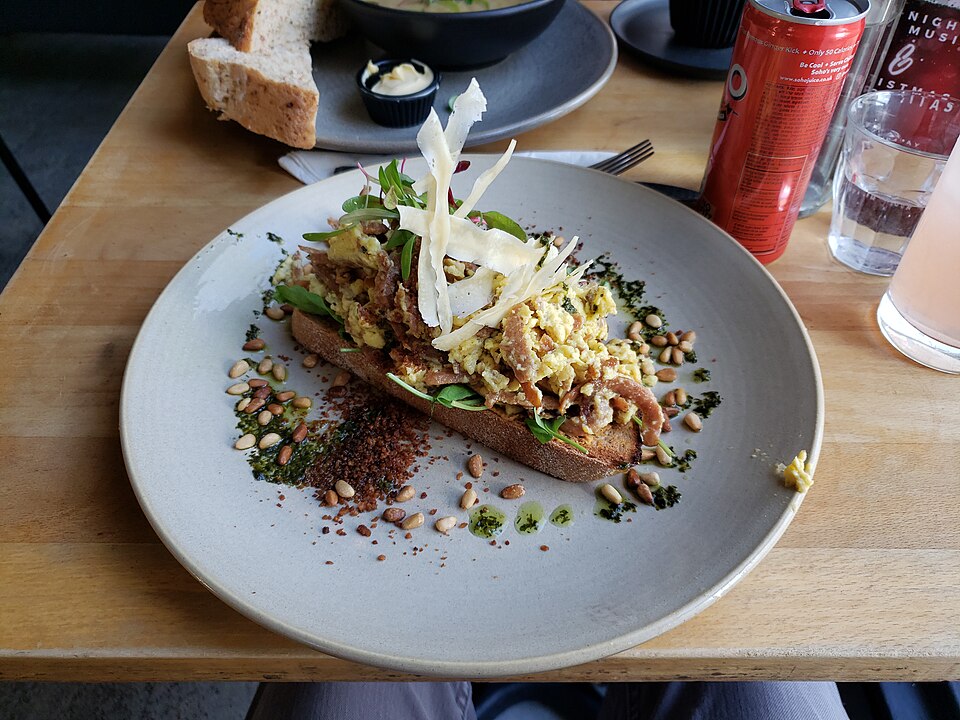
Scrambled eggs & ham on sourdough
44g protein
390 kcal10 min
Split a day's macros 25/30/35/10: 25% at breakfast, 30% at lunch, 35% at dinner, and 10% as a snack. Enter your own calories and protein and the table below works out what each meal gets. Calories and protein are aims. Carbs and fat are ceilings.
An even split across meals sounds fair and works badly: breakfast ends up bigger than anyone wants and dinner ends up smaller than anyone accepts. These shares are closer to how people actually eat, which is the only reason they hold up over a week.
| Meal | Calories | Protein | Carbs | Fat |
|---|---|---|---|---|
| Breakfast25% of the day | 390 | 38g | 28g | 13g |
| Lunch30% of the day | 468 | 46g | 34g | 16g |
| Dinner35% of the day | 546 | 54g | 39g | 18g |
| Snack10% of the day | 156 | 15g | 11g | 5g |
Portioning to 1,560 kcal and 153g protein a day.
Dinner takes the largest share because it is the meal most people are least willing to make small. It is the one that is cooked rather than assembled, the one eaten with other people, and the one a plan has to survive. Give dinner a quarter of the day and the plan does not survive Friday.
Breakfast gets a quarter because it is the meal most often rushed, and the snack gets the smallest share because it is doing a different job: it is the slack in the day. If lunch ran over, the snack absorbs it. A day with no give in it anywhere is a day you abandon the first time something comes up.
The important thing about the shares, though, is which way they point. Calories and protein are aims; carbs and fat are ceilings. You are trying to land near the calories and reach the protein, while staying under the other two. That is why the planner will grow a protein source and shrink a carb to pay for it, rather than scaling the whole plate up and handing you more of everything.
Most days are not. Skip a meal in the week planner and its share is handed to the meals you are still eating, in proportion, rather than lost — so the day still adds up to the targets you set. The arithmetic below is the planner's own, not a rule of thumb:
What none of these change is the total. The split divides whatever day you set; it does not decide how big the day is.
This is the most common thing people come looking for and the answer is duller than expected: a cut and a bulk do not need different shares. 25/30/35/10 of a 1,800 kcal day and 25/30/35/10 of a 2,800 kcal day are the same four fractions of two different totals. Change the total, keep the split.
What does change is how much the ceilings bite. On a cut, the carb and fat ceilings start doing real work — dinner's share stops being generous and the planner begins trading carbs out to keep the protein in. On a bulk, the protein aim is usually hit long before the calories are, and the limiting factor becomes getting the food down. Either way the lever is the four numbers you enter, not the percentages. Paste the targets your tracker gave you and the shares apply themselves.
Back-loading the protein. It is the natural result of a day that starts with toast and ends with a steak, and it is the pattern this split is quietly arranged against: every slot here carries protein, which is why the breakfast page is full of plates nobody would describe as breakfast food. Spreading the grams out is also just easier to hit — 150g of protein is a hard day in two meals and an unremarkable one in four.
Your numbers are kept in this browser, so the split above is the one the rest of the site portions to: browse the meals and each is already sized to the slot it belongs to.
One plate from each slot, picked as the closest published plate to what that slot opens at. The pick is made on the published grams; the amounts below follow your own targets.
44g protein
390 kcal10 min
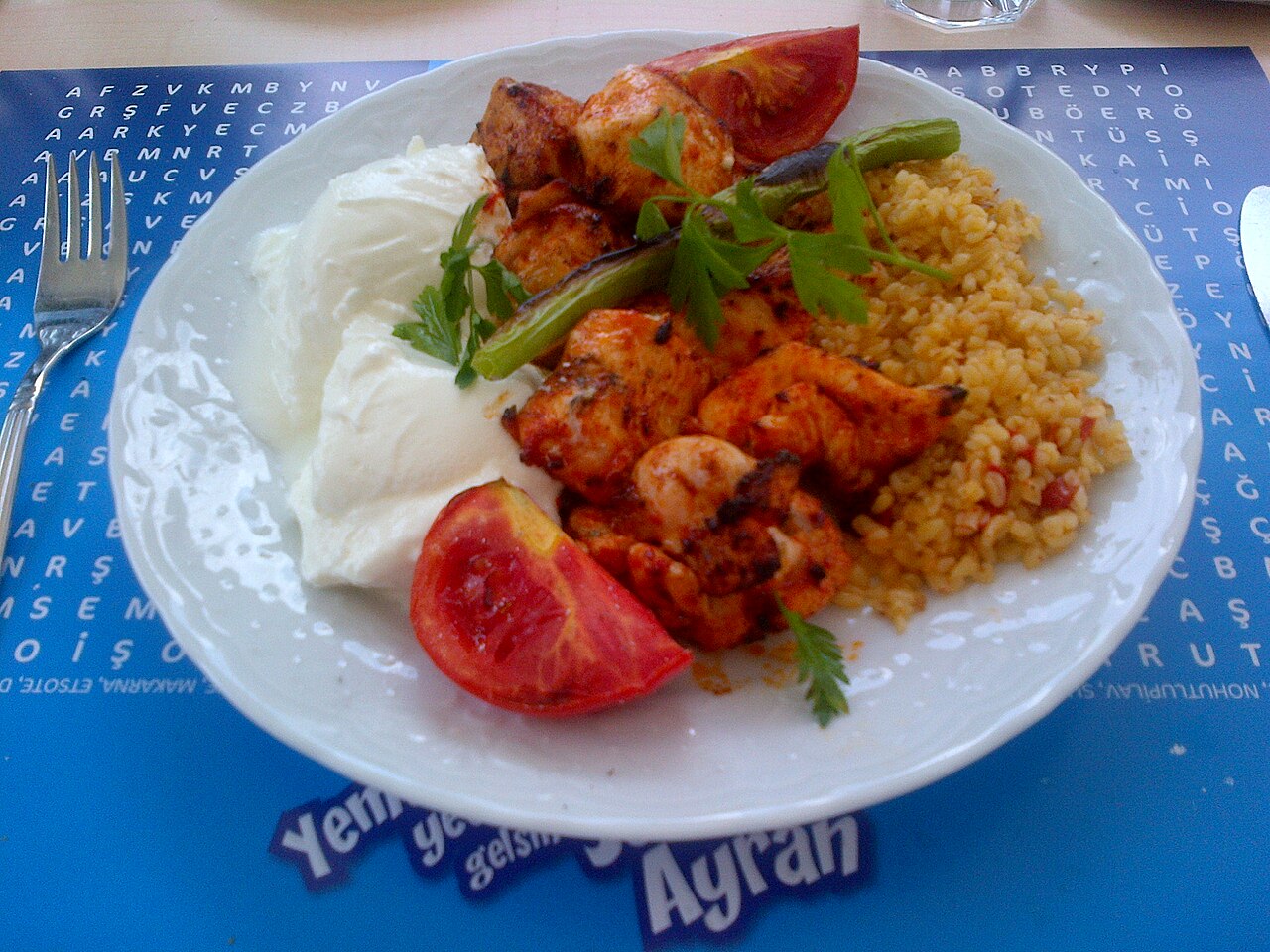
57g protein
462 kcal25 min
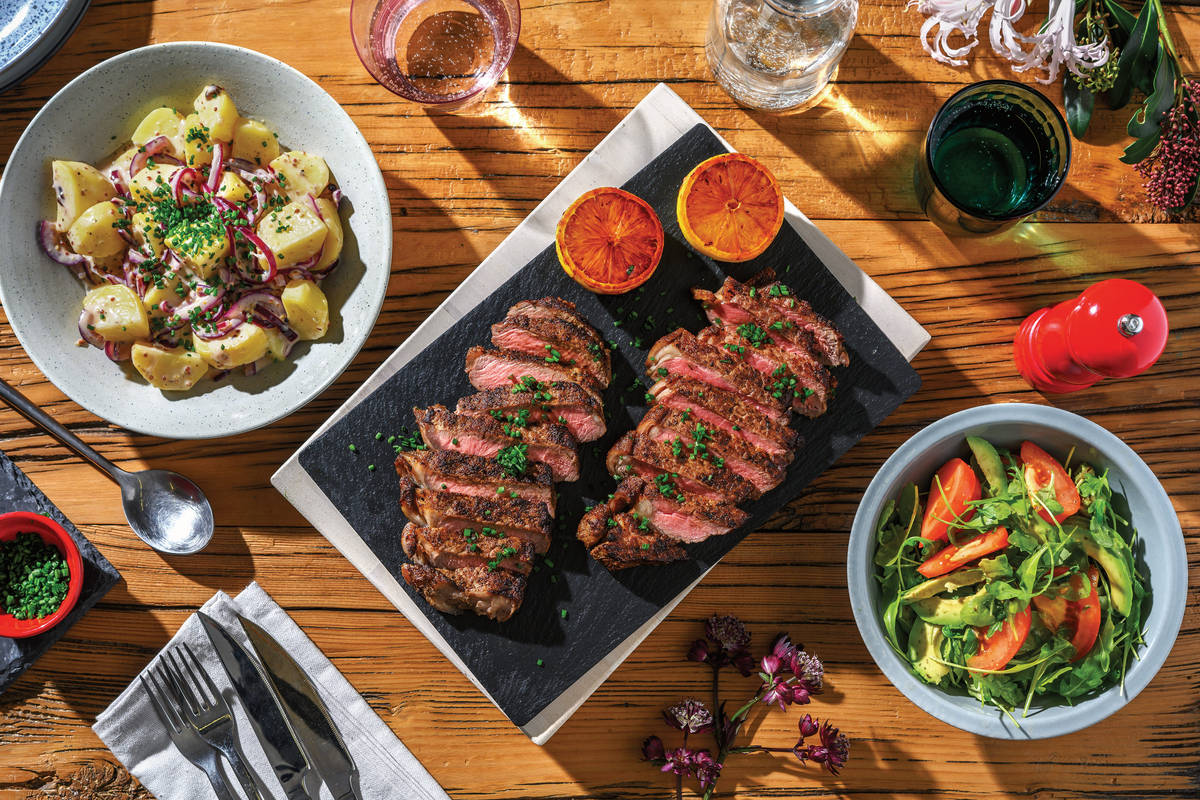
55g protein
546 kcal25 min
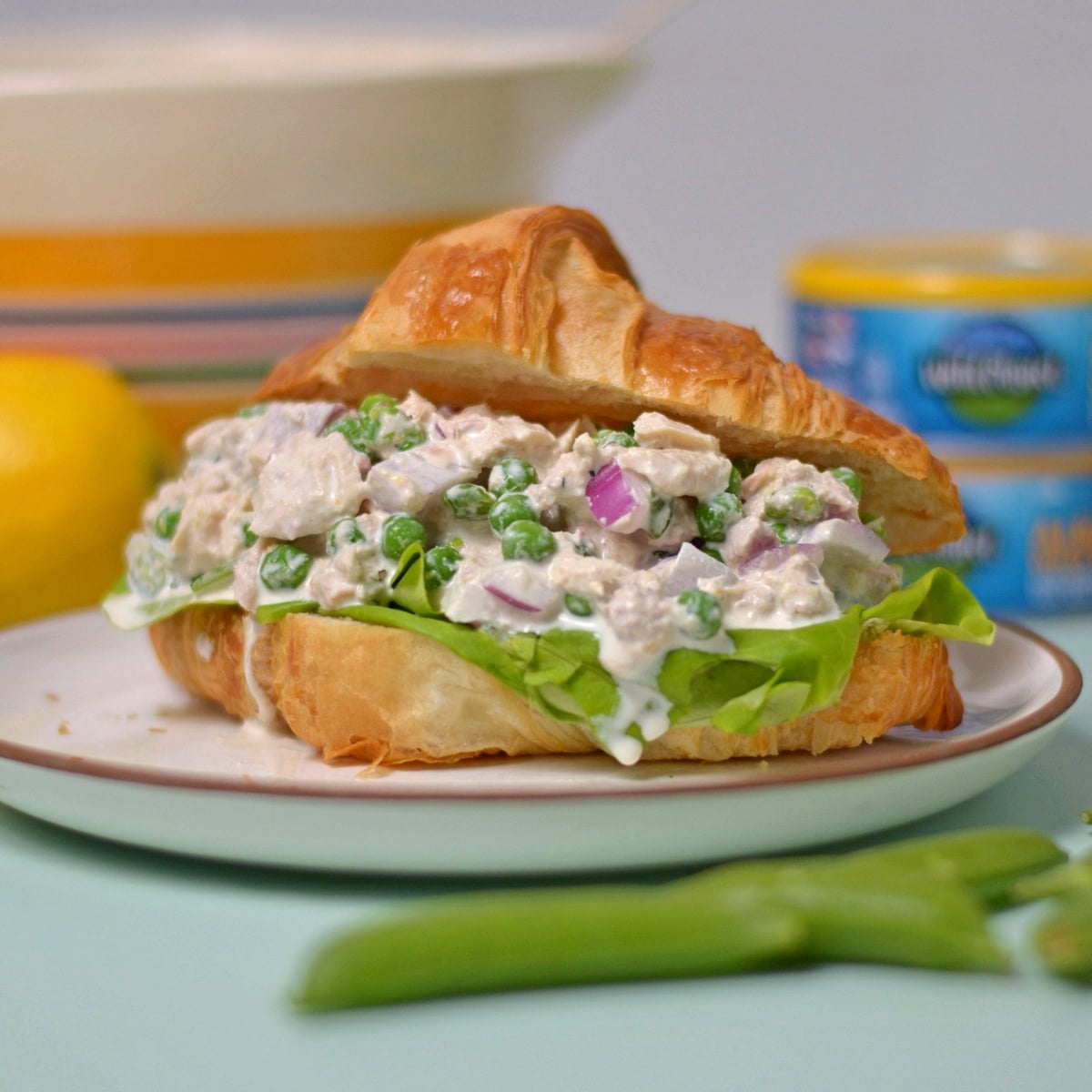
29g protein
155 kcal5 min
Serving suggestion — a photo of this kind of dish, not of this recipe.