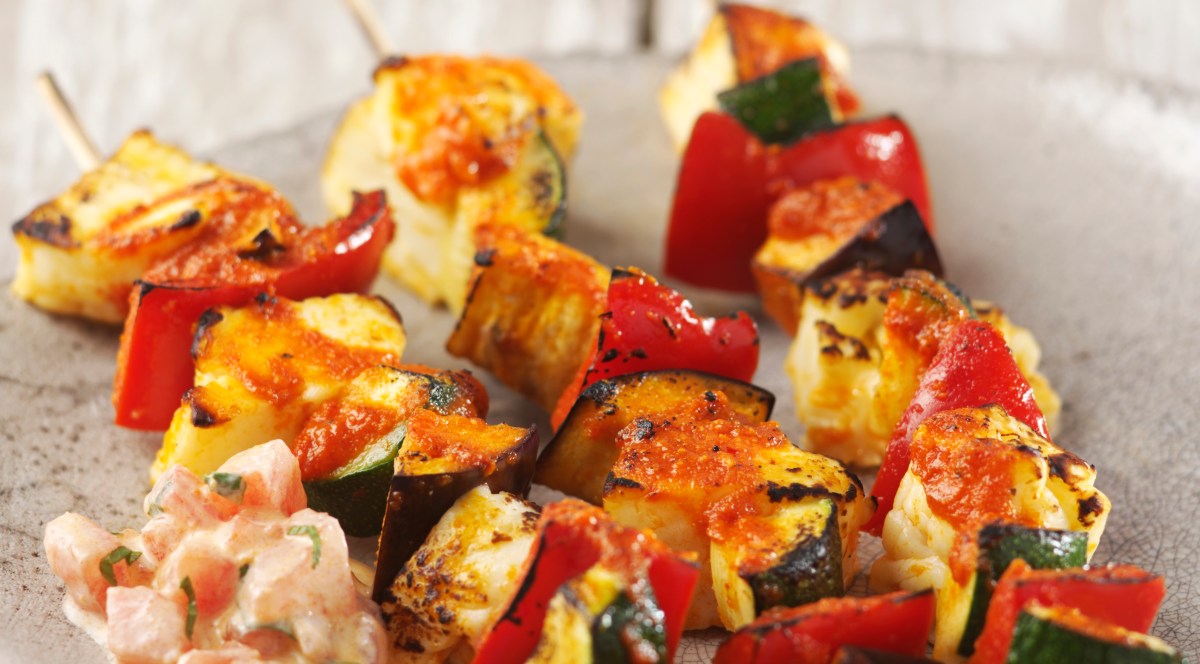
Halloumi & tofu skewers with harissa yogurt
54g protein
588 kcal30 min9.2g / 100 kcal
A vegetarian high-protein meal here is a catalog plate tagged veggie or vegan. There are 32. The highest published protein is 54g, on Halloumi & tofu skewers with harissa yogurt. The protein and calories are on the card, in grams.
32 meals
54g protein
588 kcal30 min9.2g / 100 kcal
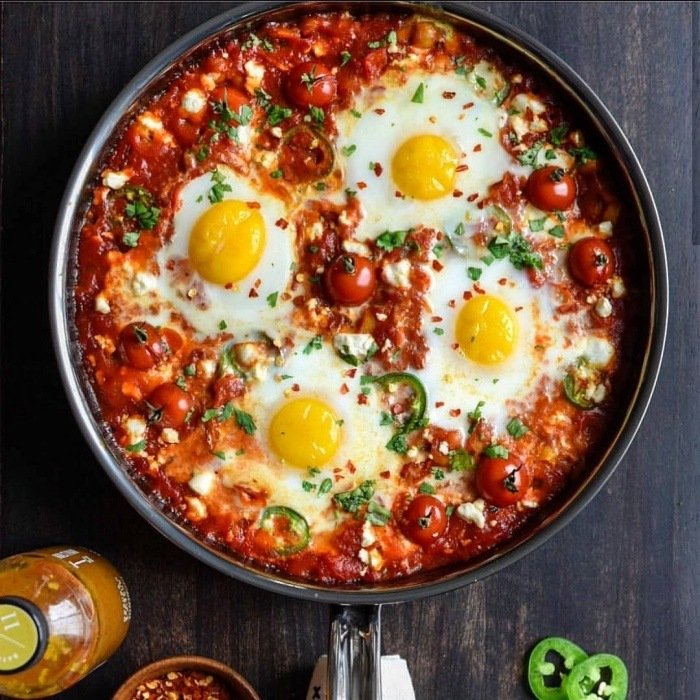
53g protein
490 kcal15 min10.8g / 100 kcal
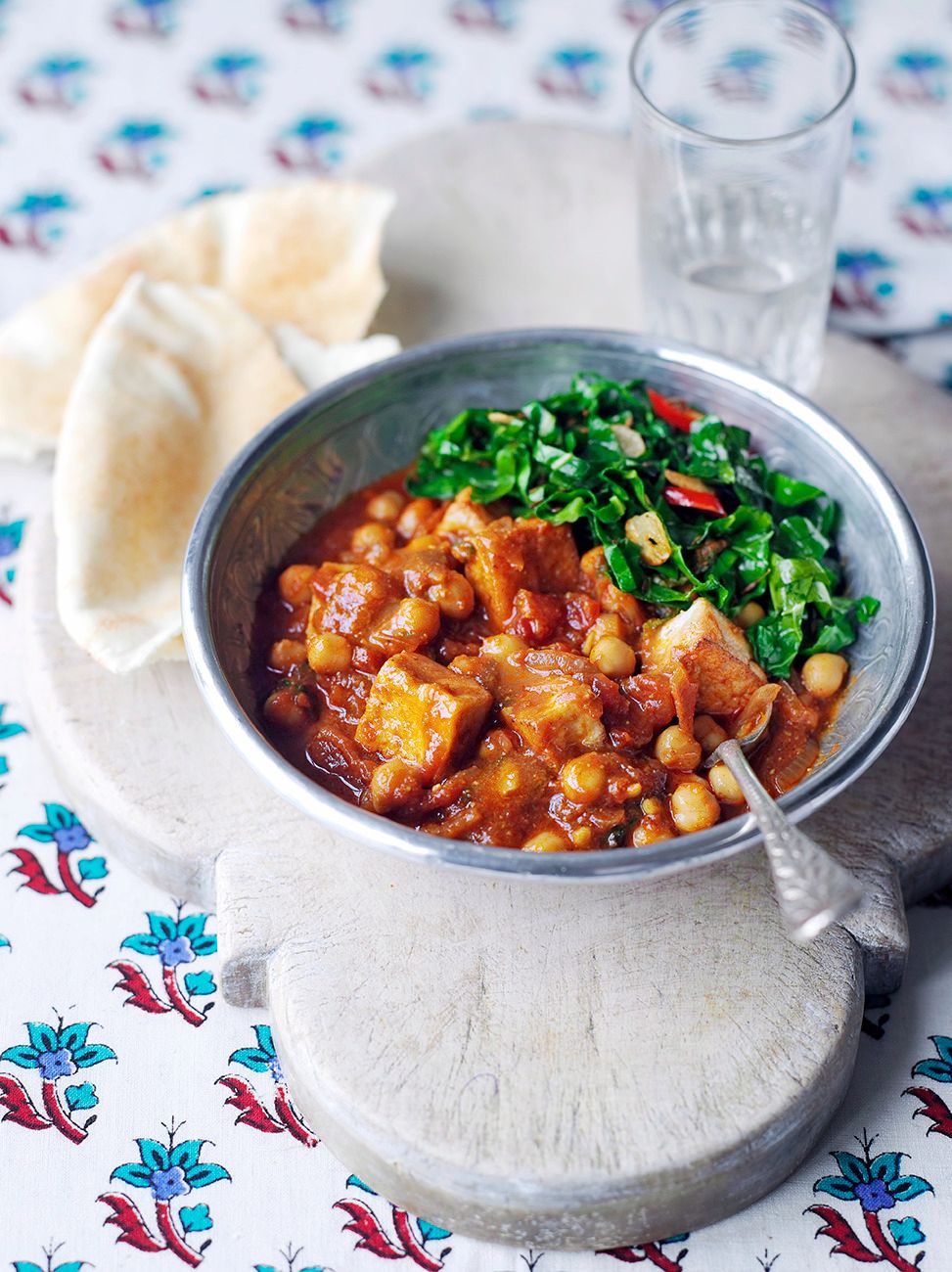
53g protein
545 kcal25 min9.7g / 100 kcal
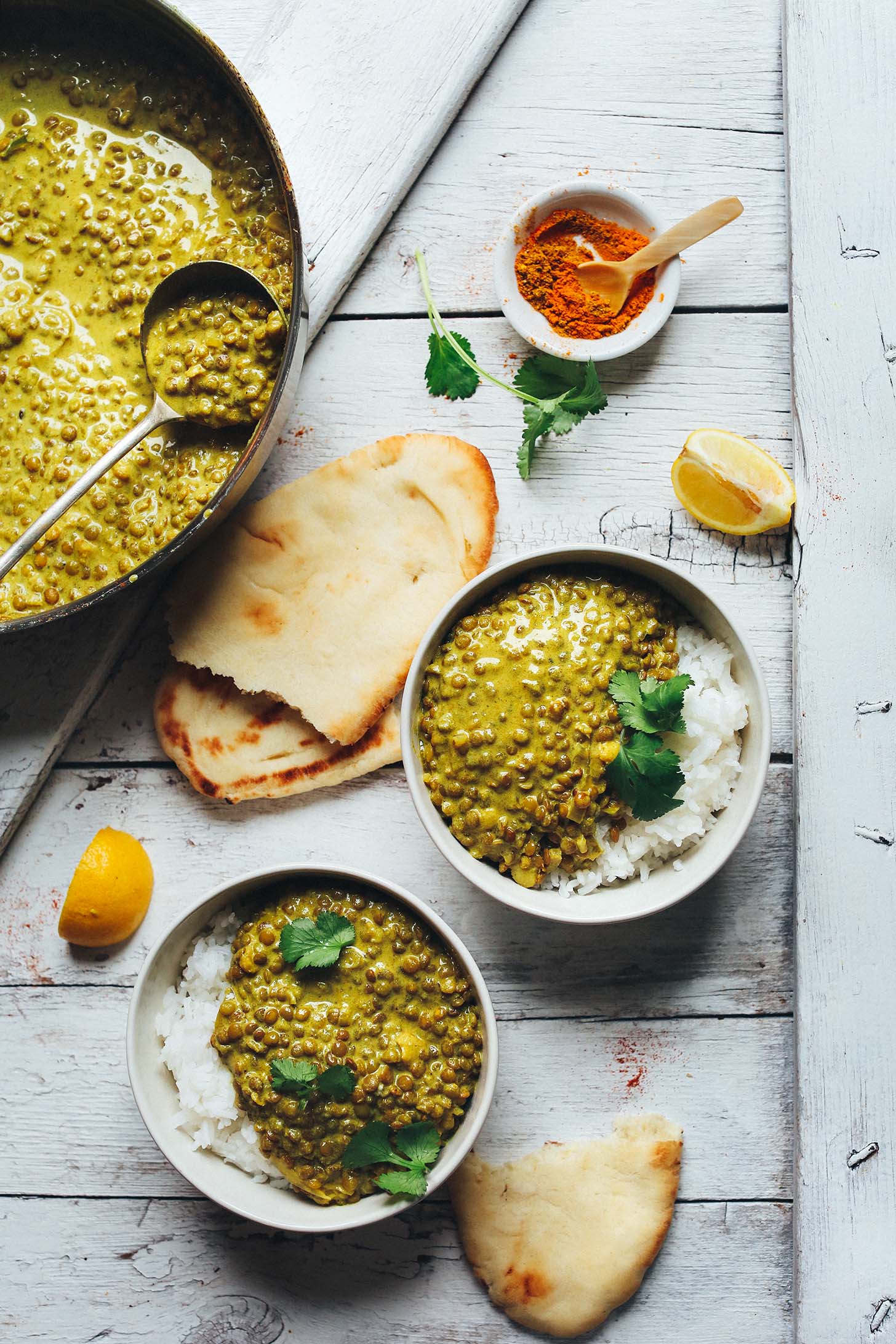
50g protein
500 kcal30 min10.0g / 100 kcal
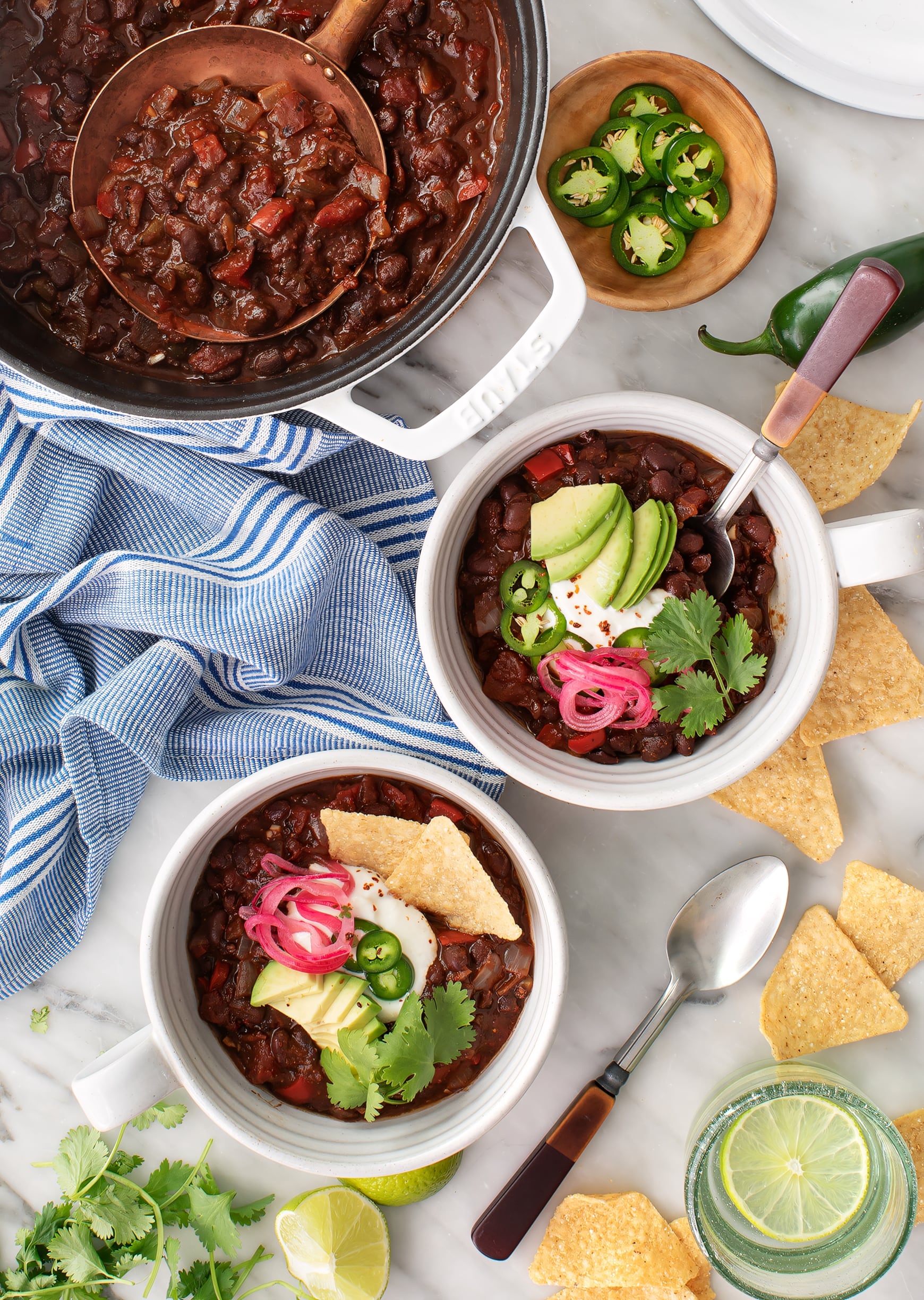
48g protein
520 kcal25 min9.2g / 100 kcal
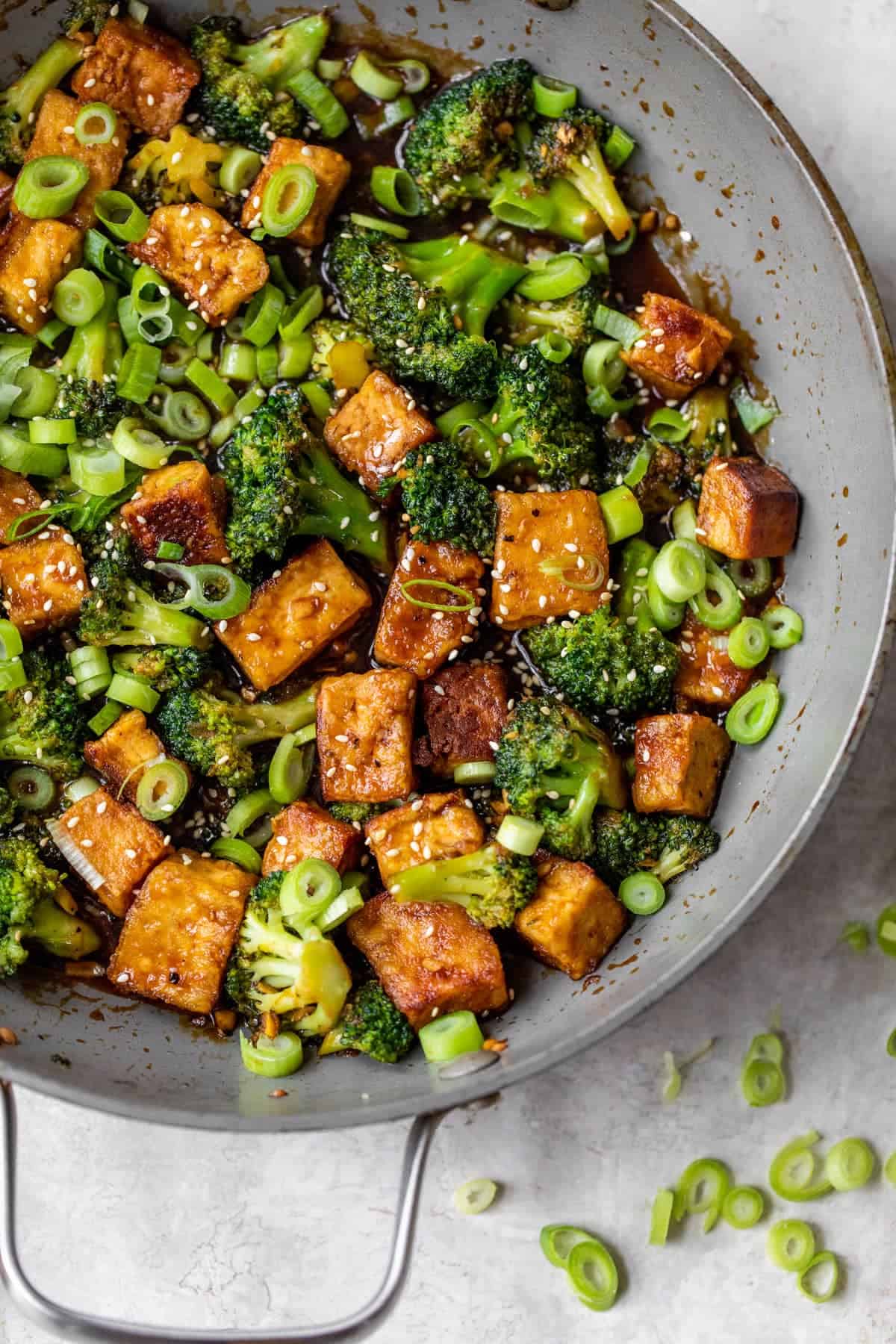
48g protein
500 kcal20 min9.6g / 100 kcal
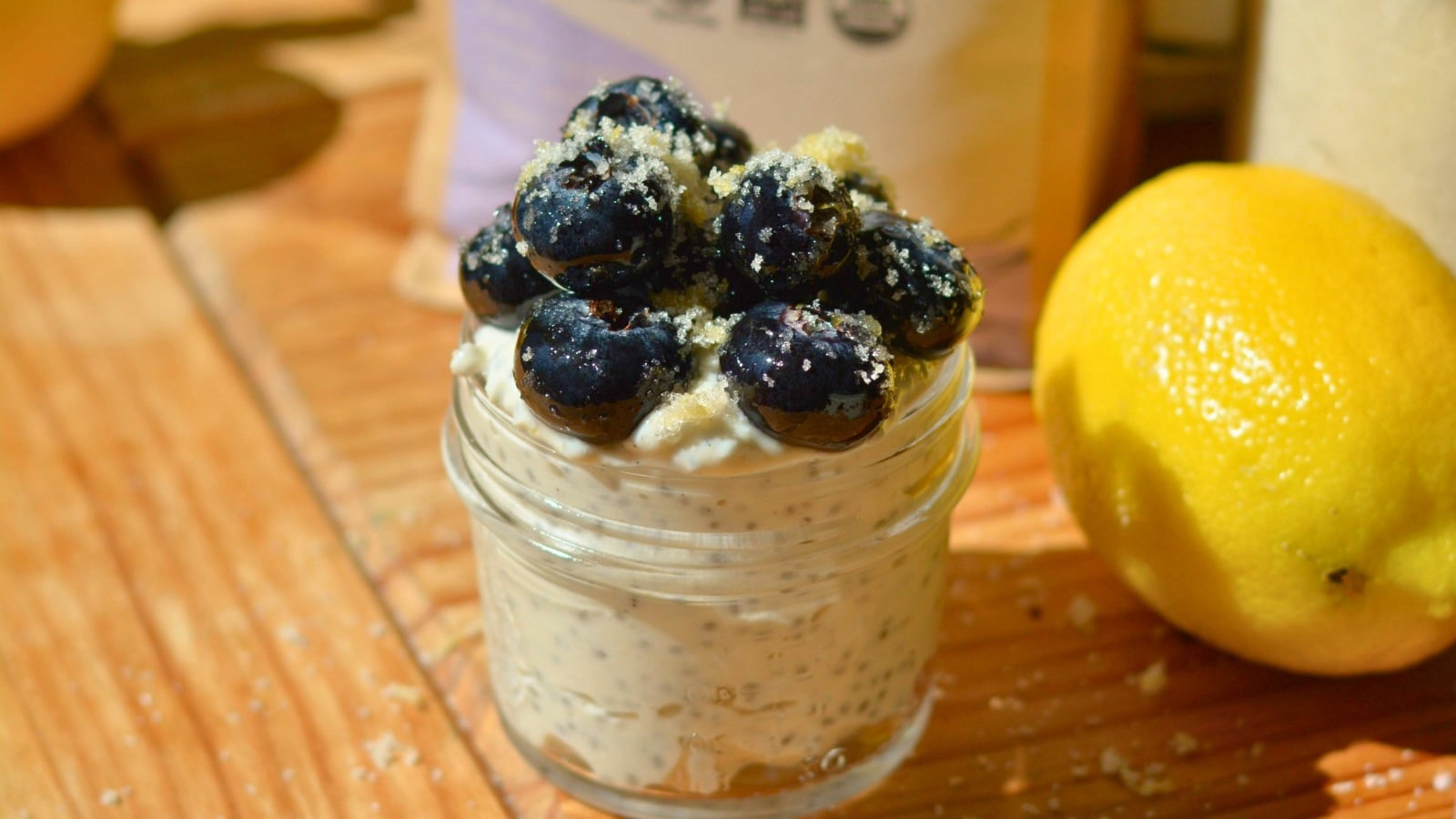
46g protein
325 kcal5 min14.2g / 100 kcal
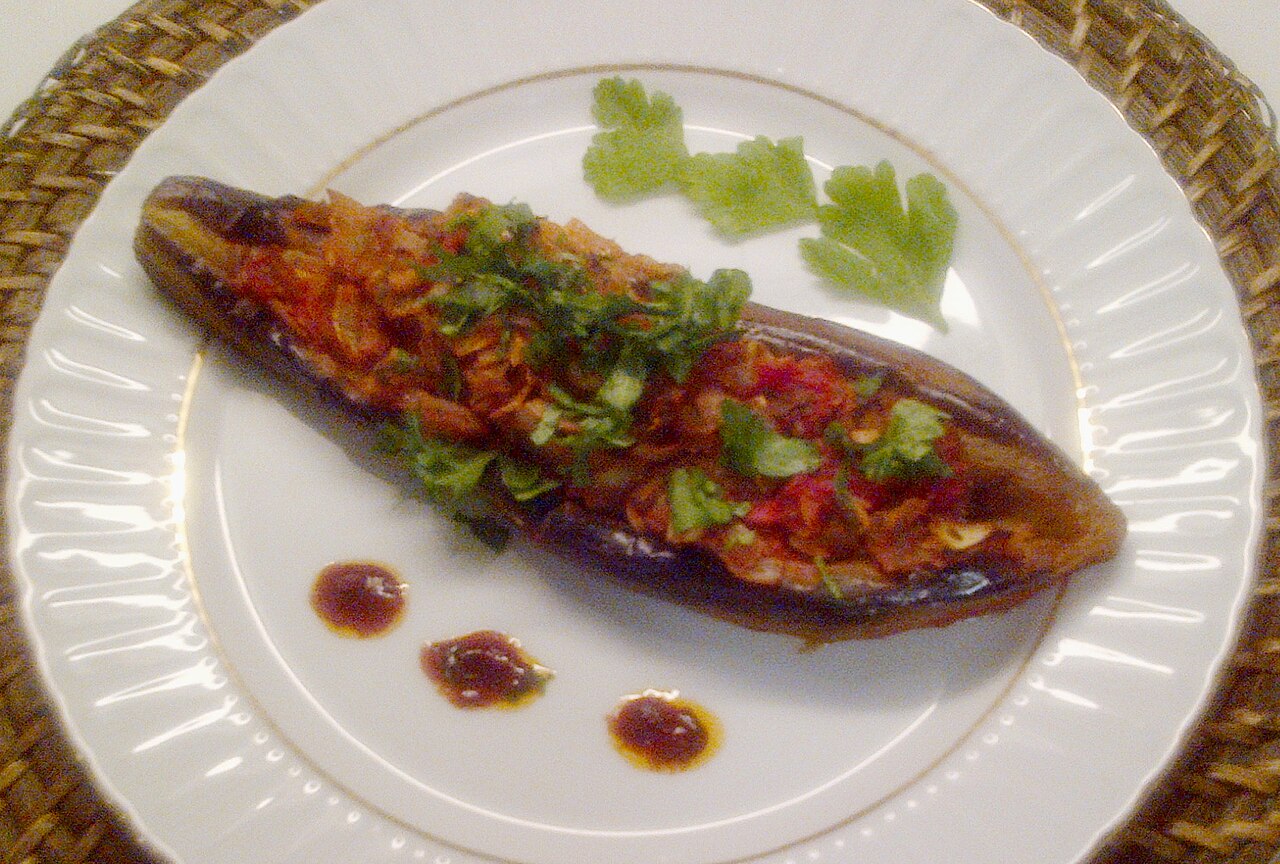
46g protein
661 kcal60 min7.0g / 100 kcal
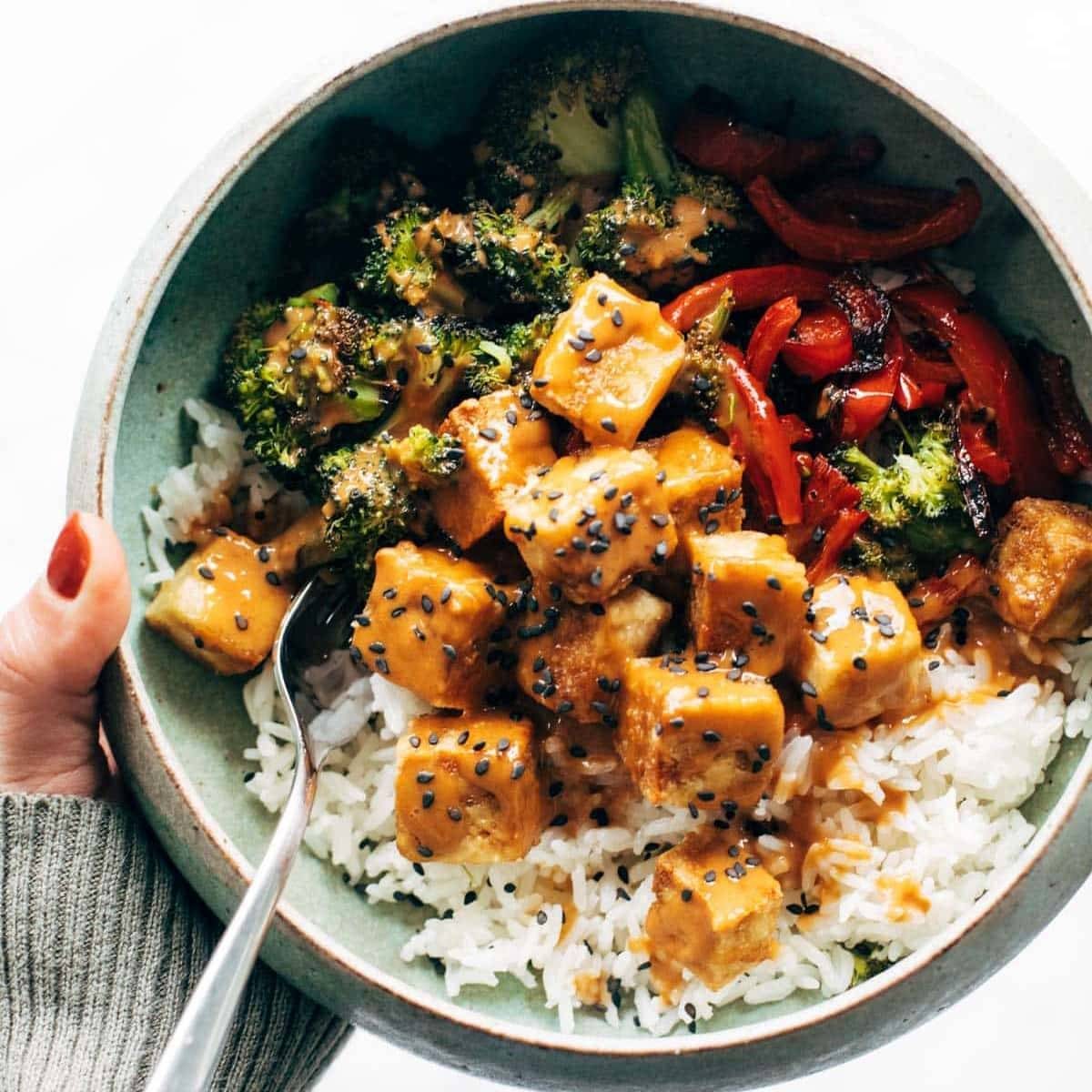
46g protein
490 kcal30 min9.4g / 100 kcal
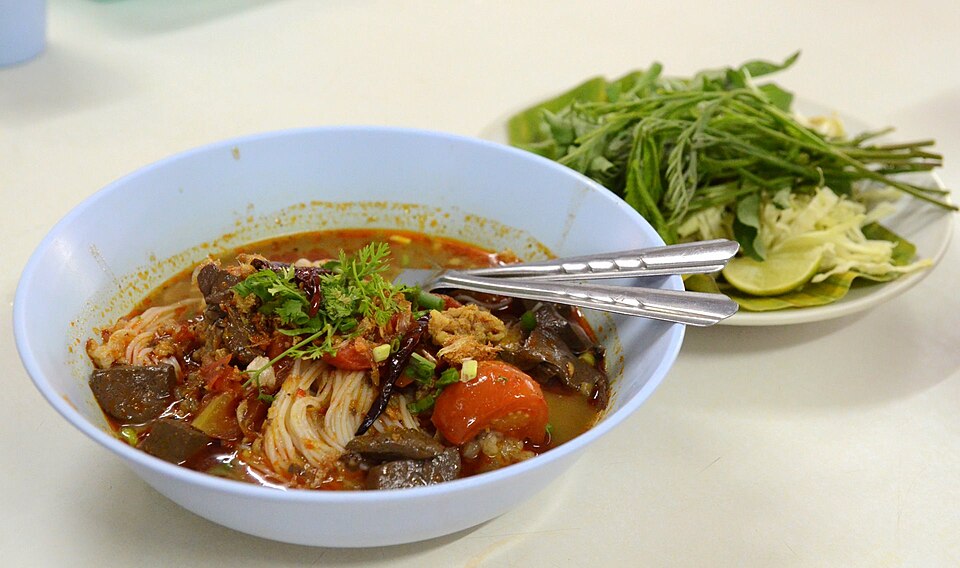
46g protein
535 kcal25 min8.6g / 100 kcal
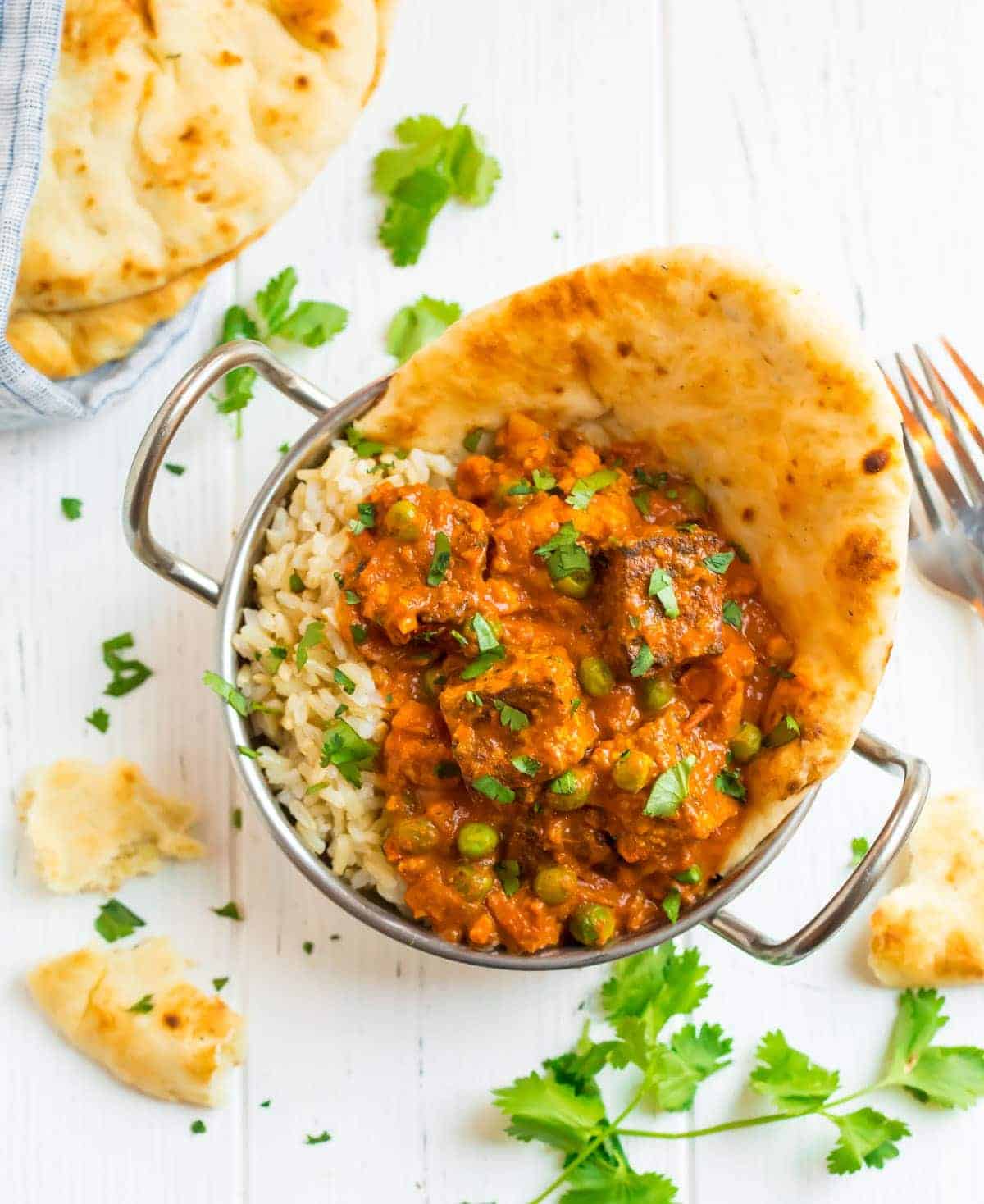
46g protein
530 kcal30 min8.7g / 100 kcal
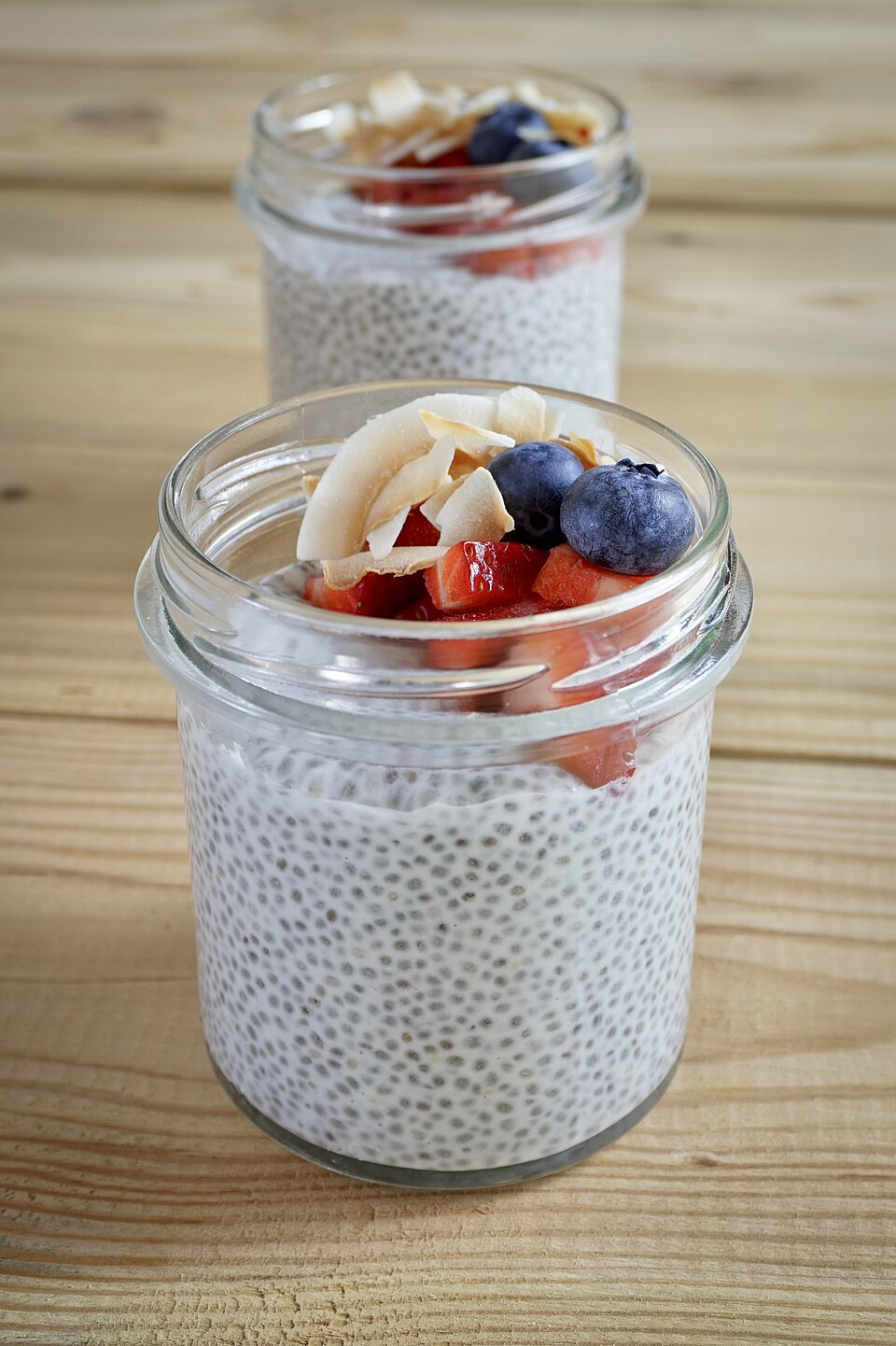
45g protein
420 kcal5 min10.7g / 100 kcal
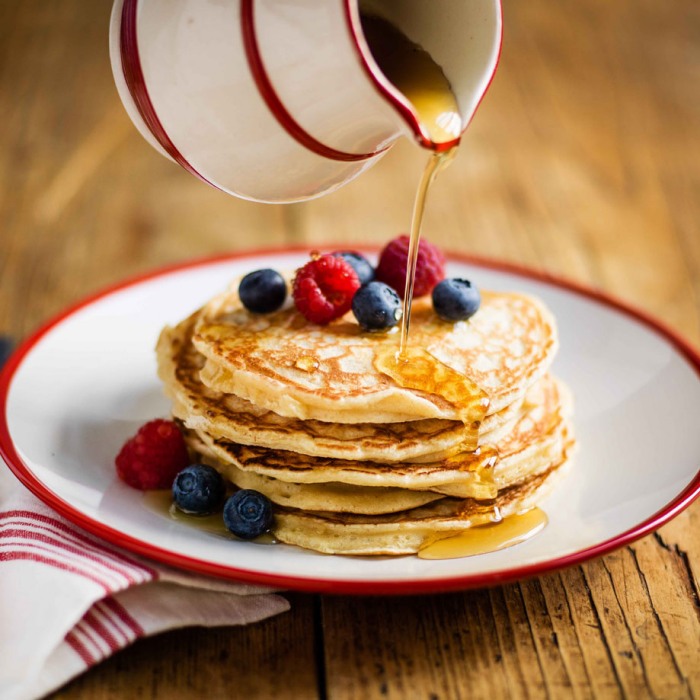
44g protein
370 kcal15 min11.9g / 100 kcal
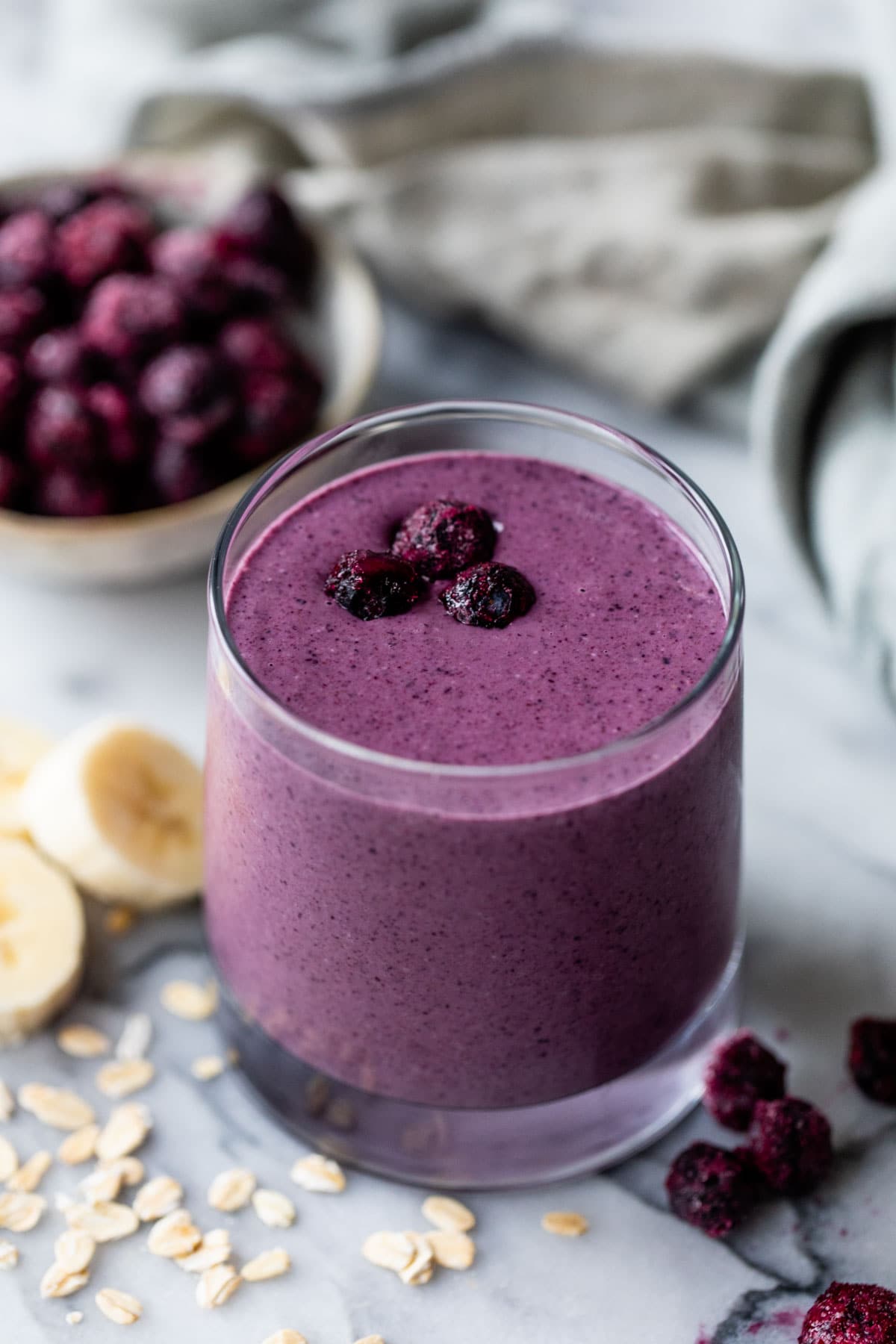
44g protein
280 kcal5 min15.7g / 100 kcal
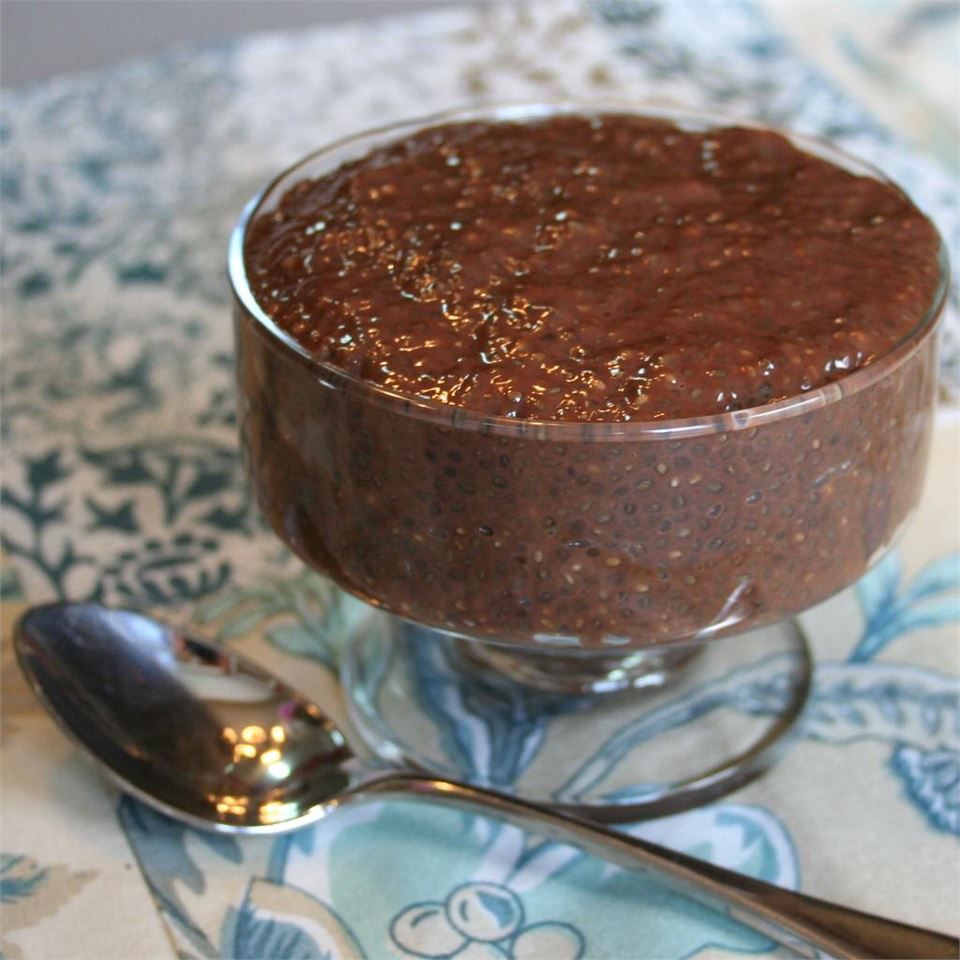
42g protein
320 kcal5 min13.1g / 100 kcal
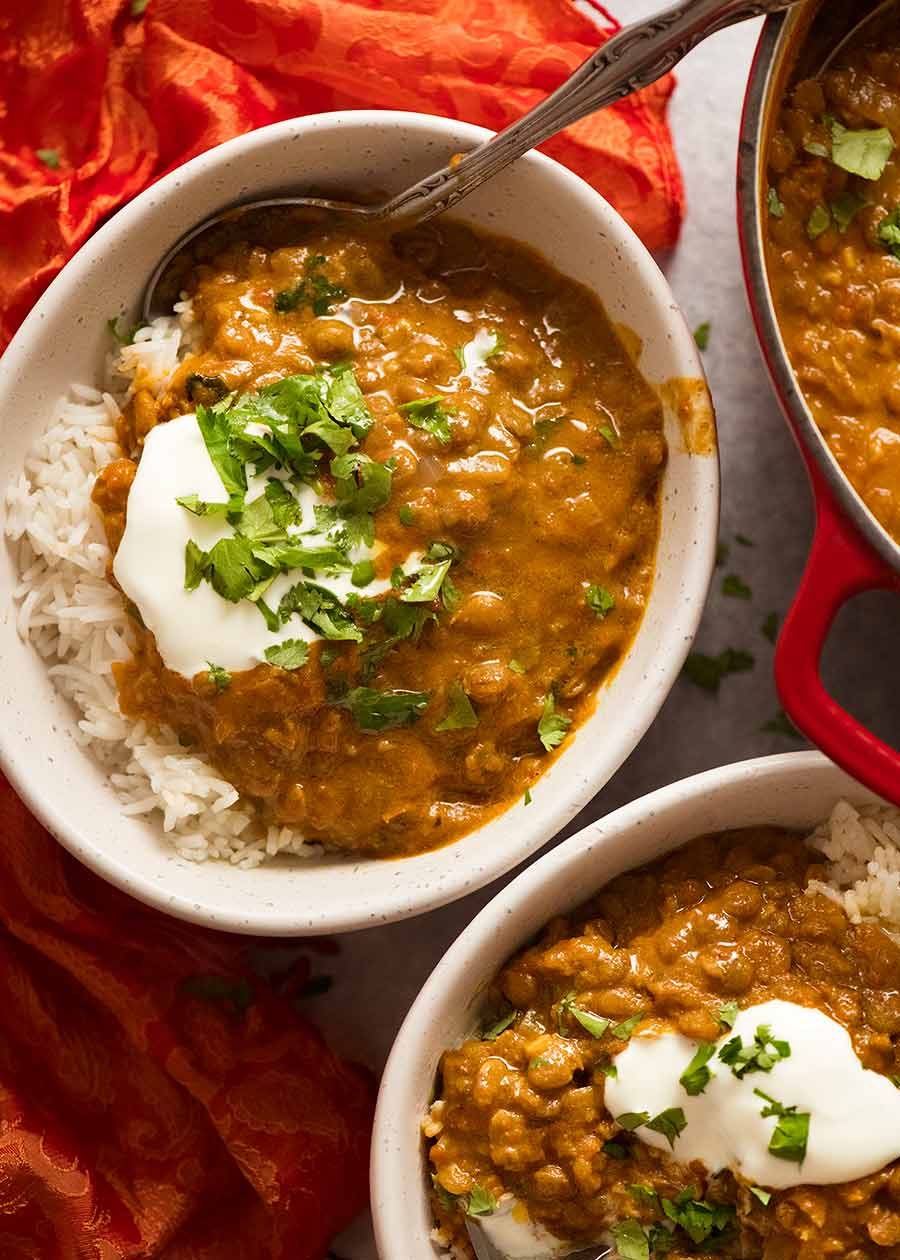
42g protein
420 kcal35 min10.0g / 100 kcal
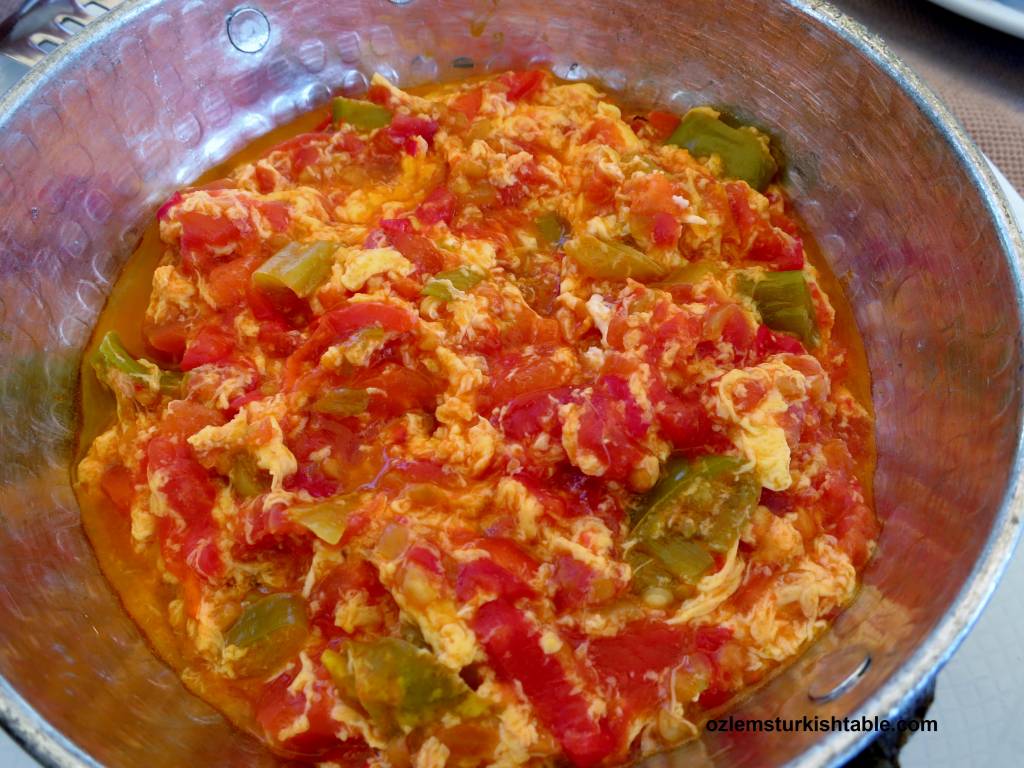
41g protein
430 kcal15 min9.5g / 100 kcal
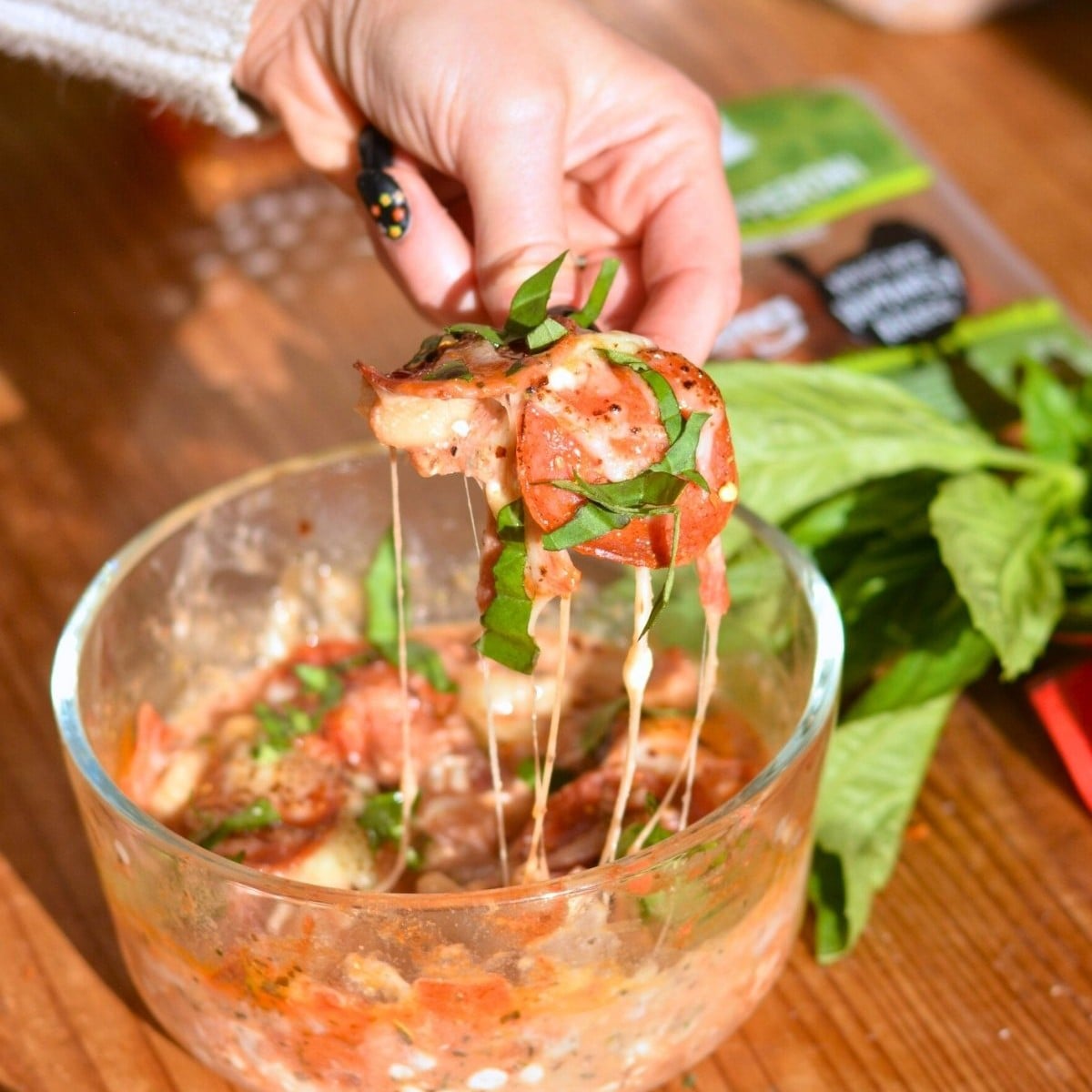
40g protein
400 kcal5 min10.0g / 100 kcal
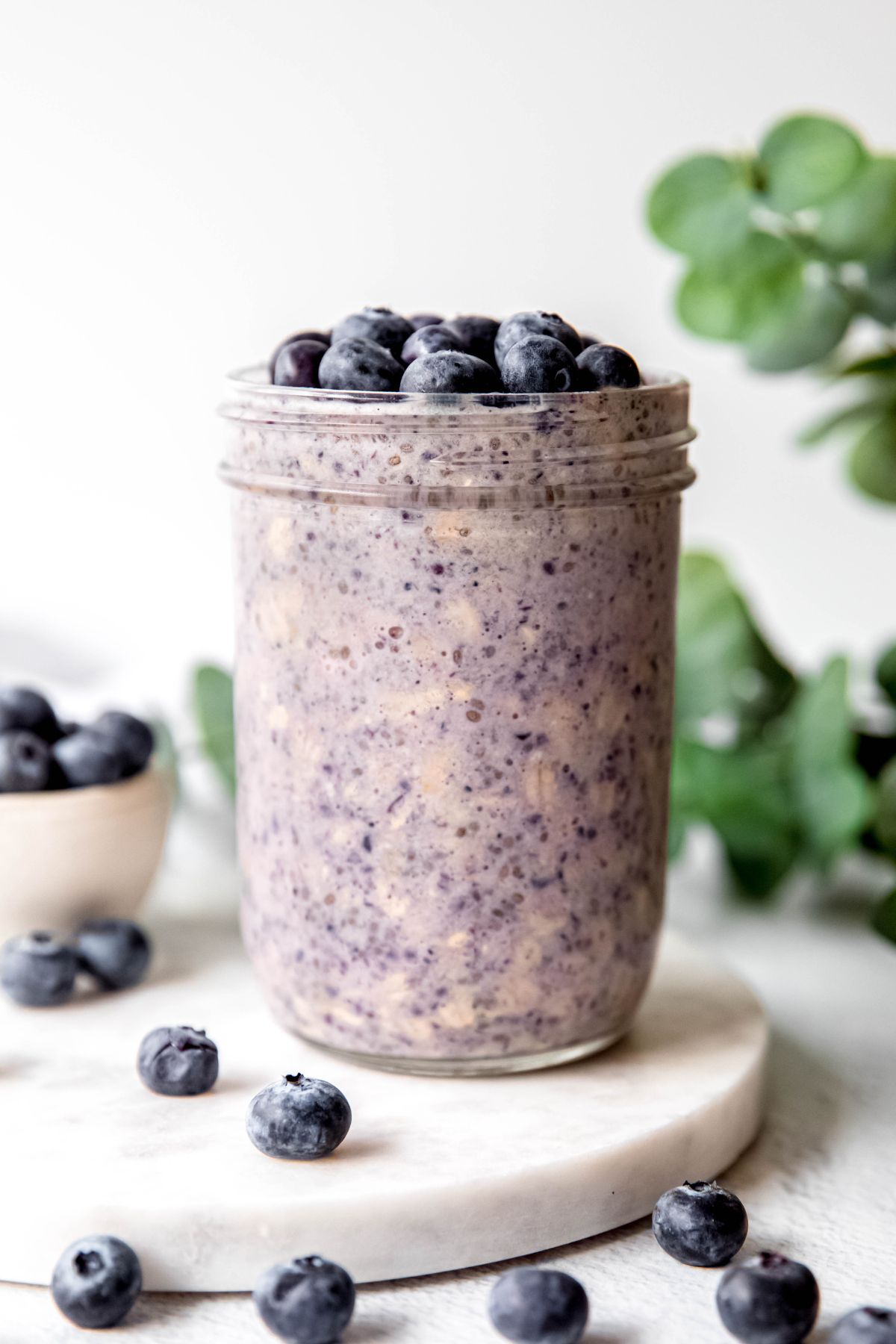
40g protein
320 kcal5 min12.5g / 100 kcal
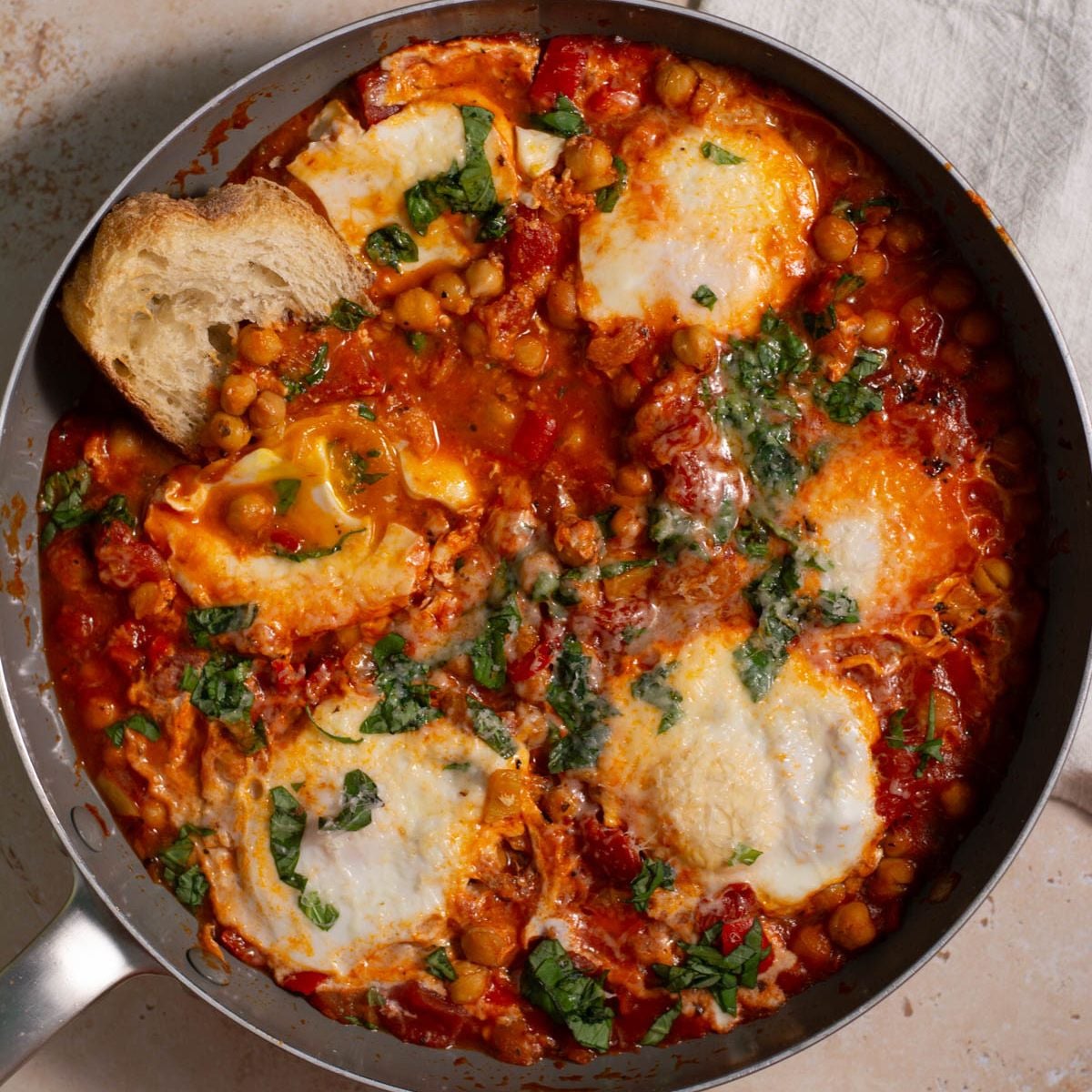
40g protein
480 kcal25 min8.3g / 100 kcal
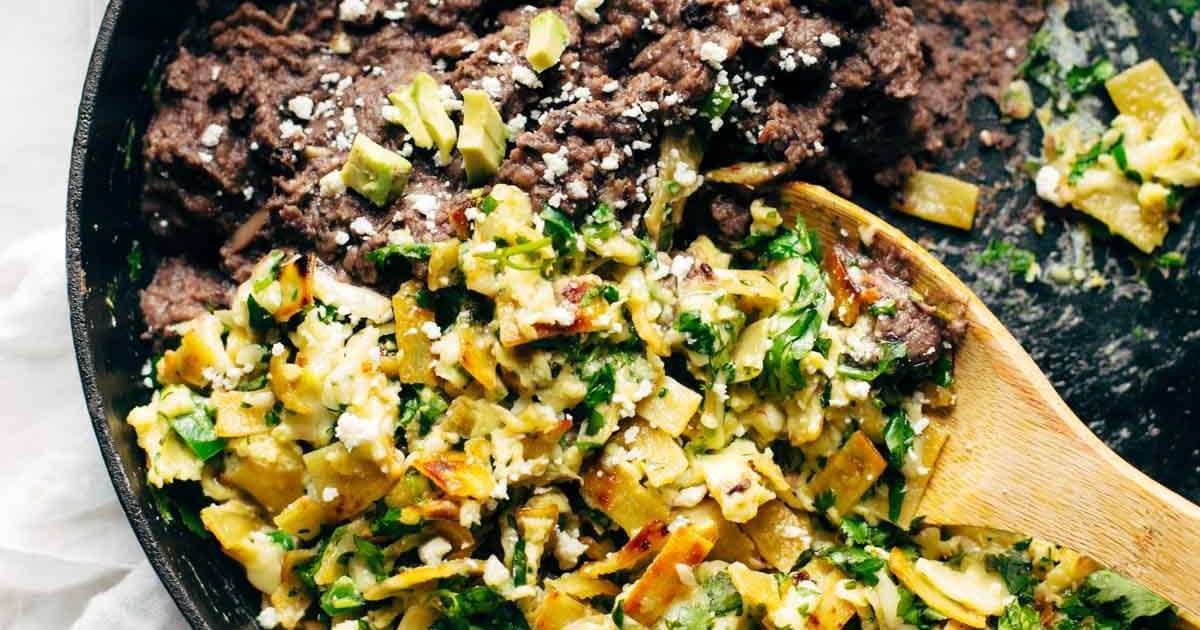
38g protein
350 kcal10 min10.9g / 100 kcal
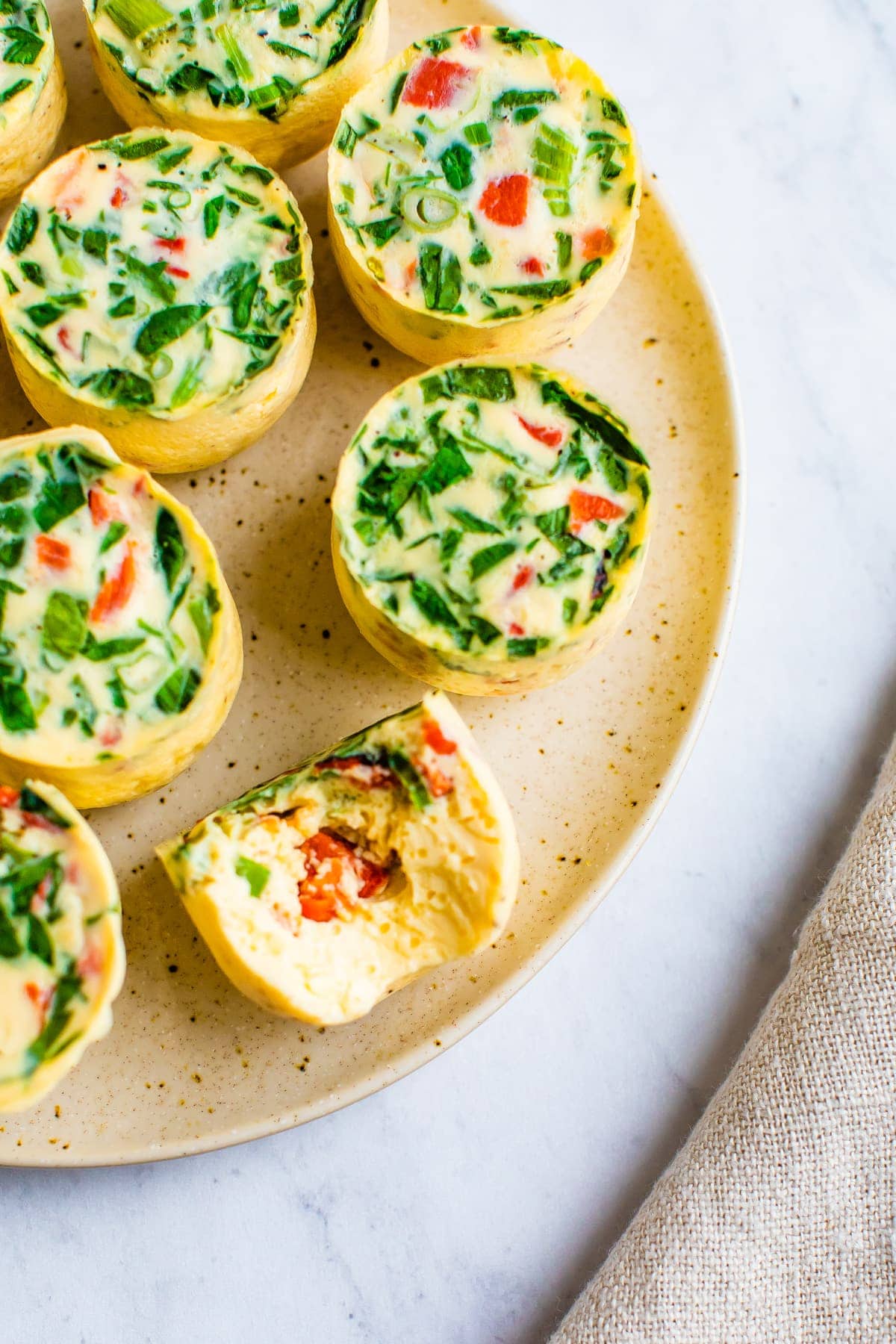
37g protein
340 kcal30 min10.9g / 100 kcal
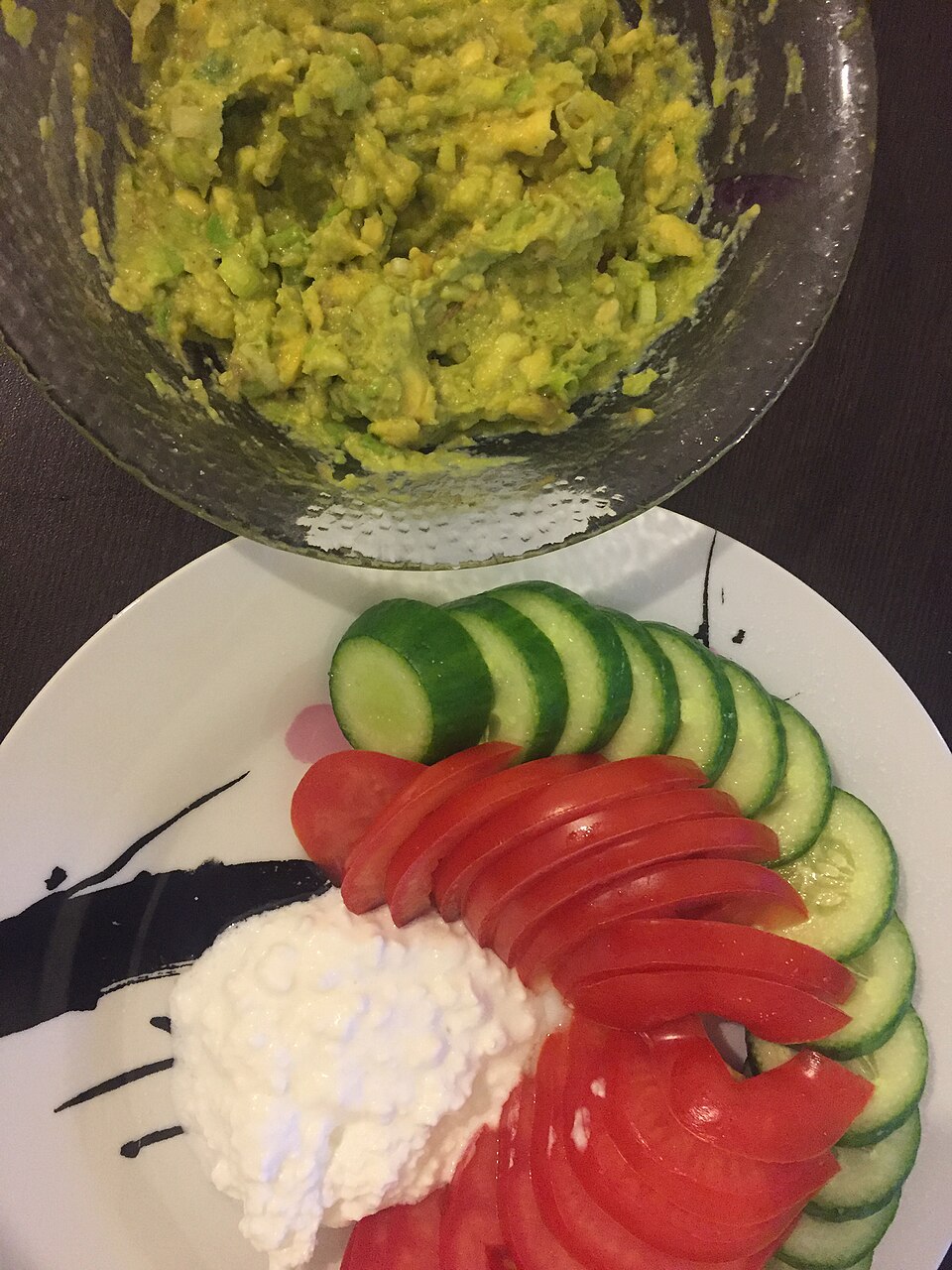
35g protein
330 kcal8 min10.6g / 100 kcal
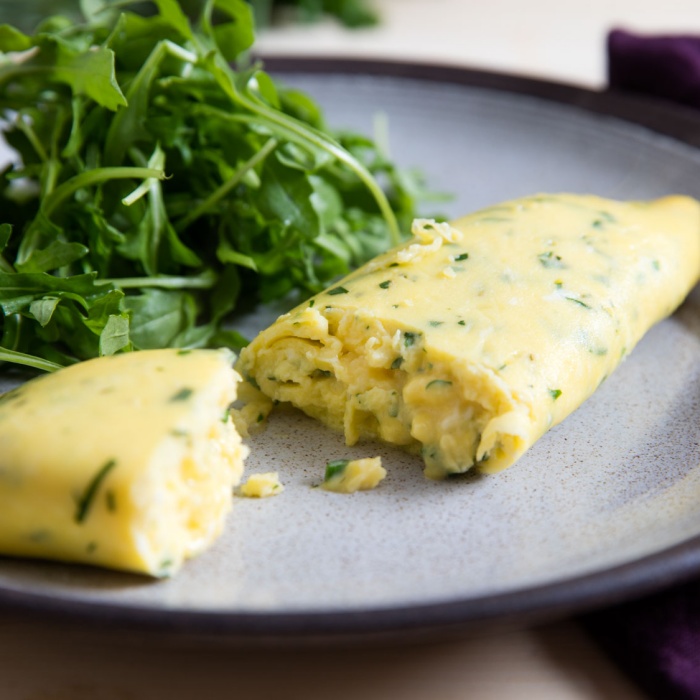
35g protein
270 kcal12 min13.0g / 100 kcal
Serving suggestion — a photo of this kind of dish, not of this recipe.
Showing 24 of 32
Nothing quite it? Build a bowl from the parts, weighed and portioned like everything above.
It is not finding protein. It is finding protein that does not arrive with a large amount of something else attached. A chicken breast is most of a protein target and almost nothing else; lentils bring carbohydrate, nuts bring fat, and both count against the ceilings the rest of this site portions to. That is the whole problem in one sentence, and it is why a vegetarian day tends to run out of calories before it runs out of protein to find.
Which makes protein per calorie the number worth looking at, rather than protein per plate. The densest plate here is Protein shake, at 17g of protein per 100 kcal. The highest total is Halloumi & tofu skewers with harissa yogurt at 54g. They are different plates, and on a capped day the first kind is what makes the day work.
Three groups do nearly all of the work. Dairy and eggs are the dense ones — Greek yogurt, skyr, cottage cheese, quark, eggs, paneer — and they are dense precisely because the carbohydrate and fat have largely been removed. Soy is the one plant source that behaves like them: tofu, tempeh and edamame. Then pulses and grains — lentils, beans, chickpeas — which carry real protein but bring their carbohydrate with them, so they build a meal rather than rescue one.
You may have been told that plant proteins are incomplete and must be paired at every meal. The pairing-at-every-meal part is the bit that has not held up: what matters is the range of food across the day, not the combination on one plate. Eat a varied week with enough total protein in it and this takes care of itself. It is not something to plan a meal around.
Nearly all of the density above is dairy and eggs, so taking them out is not a small adjustment — it removes the easiest way to hit a protein number. Of the 32 plates here, 25 lean on dairy or eggs and 7 are vegan. For a vegan day the work falls on soy and pulses, portions get larger, and the calories come up with them.
Being straight about the catalog: every vegan plate here is a dinner or a batch, and there is no vegan breakfast, lunch or snack yet. The thinnest slot of all is lunch, with a single plate. Filter this page by a slot we have barely stocked and it will show you that honestly rather than padding it out. Those are the gaps being filled next.
Every plate on this page is weighed in grams and resized to the targets you set, so the way to use it is to enter your targets first and then read the amounts. When protein comes up short the planner grows the protein source and shrinks a carb to pay for it — which on a vegetarian plate usually means more tofu or yogurt and less rice, since that is the trade that keeps the calories where you put them.
If a plate still will not reach, the honest fixes are dull and effective: swap a grain for a pulse, add a dairy or soy element rather than scaling everything up, or move some of the day's protein into the snack slot, where it only needs a tenth of the day and dense options are easiest.
These are the veggie and vegan plates in the catalog. They still use the day's shares, 25/30/35/10 for breakfast, lunch, dinner, and snack. Changing the four numbers resizes the plate. It does not rewrite the published grams.
Calories and protein are targets to reach. Carbs and fat are limits to stay under. That is why a meal can be marked as fitting your day while its carbs come in well below the number you entered. Where the numbers come from covers the rest.