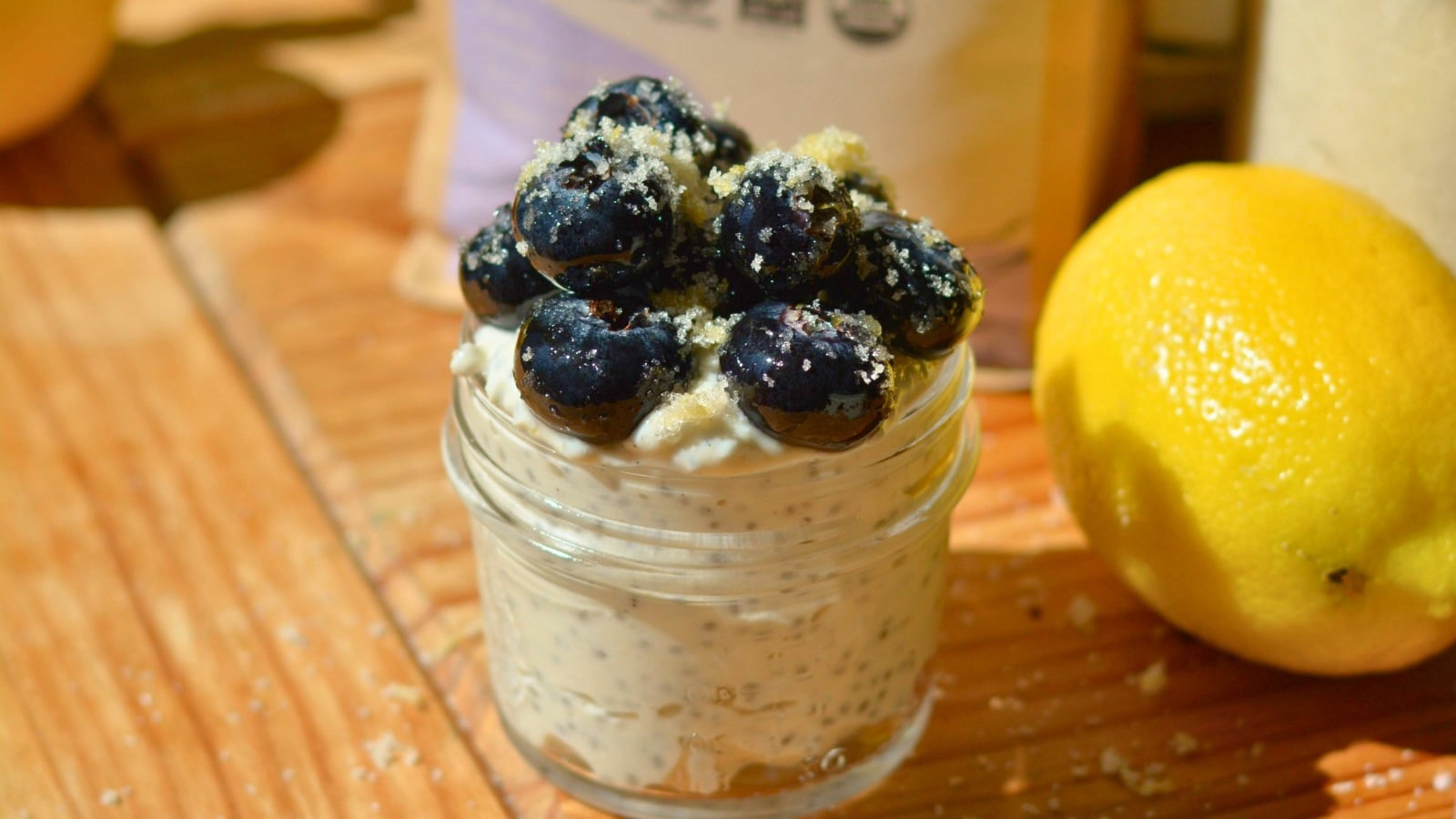
Blueberry protein yogurt bowl
46g protein
325 kcal5 min
A calorie target, a protein target, and the carbs and fat that fit around them, from published equations rather than this site's opinion. It is a starting point and it is rounded like one: eat it for a few weeks, then correct it from what the scale actually does. This is not medical advice.
Fill in your weight, height and age and the numbers appear here.
This is arithmetic on published guidelines, not medical advice, and not a measurement of you. Two rough estimates are stacked on each other to produce it.
The resting-energy equation is a population average. It lands within 10% of a measured metabolic rate for about 82% of people, and 70% of people with obesity. The rest are further out than that — on a 2,000 kcal day, 10% is 200 kcal, which is the difference between the deficit you picked and no deficit at all.
This assumes a kilogram of body tissue is worth a fixed 7,700 kcal, which is the standard shortcut and is known to flatter the result: as you lose weight you burn less, so the deficit shrinks under you while the target stays where it is. Expect the real rate to come in under the one you picked, and expect to revise this.
So treat the number as a hypothesis. Eat it for two to three weeks, watch your weight, and change it from what actually happened rather than from what this page predicted. That feedback loop is the whole product in the adaptive trackers, and it is the one thing a page like this cannot do for you.
If you are pregnant, under 18, or managing a medical condition or a history of disordered eating, use a number from someone qualified to give you one, not this.
Nothing here is this site's own opinion about what you should eat. Each step is somebody else's published work, and the papers are listed at the bottom so you can check the arithmetic rather than take it on trust.
Calories are rounded to the nearest 50 and grams to the nearest 5. That is deliberate. The inputs are a population equation multiplied by a guess, and a result like 1,847 kcal claims a precision that nothing upstream of it can support. Rounding is the honest way to show how much of this is an estimate.
The more useful habit is to stop treating the output as an answer. Eat it for two or three weeks, weigh yourself, and move the calorie number based on what happened rather than what was predicted. If the scale has not moved, your maintenance was higher than the equation thought — that is information this page could not have had, and it beats recalculating.
This is exactly what the adaptive trackers automate, and it is worth understanding before paying for one: see MacroFactor vs MyFitnessPal, where the difference between the two is precisely who revises your targets when reality disagrees with the arithmetic.
It will not take the calorie target below your resting energy requirement, whatever target weight you enter. If the pace would cross that line it holds the target there and tells you the slower pace you are actually on. Going under your own resting requirement is the point where this stops being something to arrange off a web page.
And it will not calculate toward a target weight below a BMI of 18.5, which is the standard underweight threshold. It says so and stops, rather than printing the numbers with a warning stuck beside them — a target on screen is a kind of permission, and that is not one this page is in a position to give. If that is the weight you are working toward, it should come from someone qualified rather than from arithmetic.
Save the result and it stops being a calculator output. Every plate on this site is published in grams and rescales to the targets you are holding, split 25/30/35/10 across breakfast, lunch, dinner and a snack — so the protein number above arrives as weights you can actually put on a scale. How that split works, and the plates it applies to.
If a tracker already gave you targets you trust, skip all of this: paste them in directly. A number you have tested against your own weight for a month is better than anything this page can calculate.
Checked 16 October 2026.
The highest-protein plate in each slot. The amounts below follow whatever targets you save above.
46g protein
325 kcal5 min
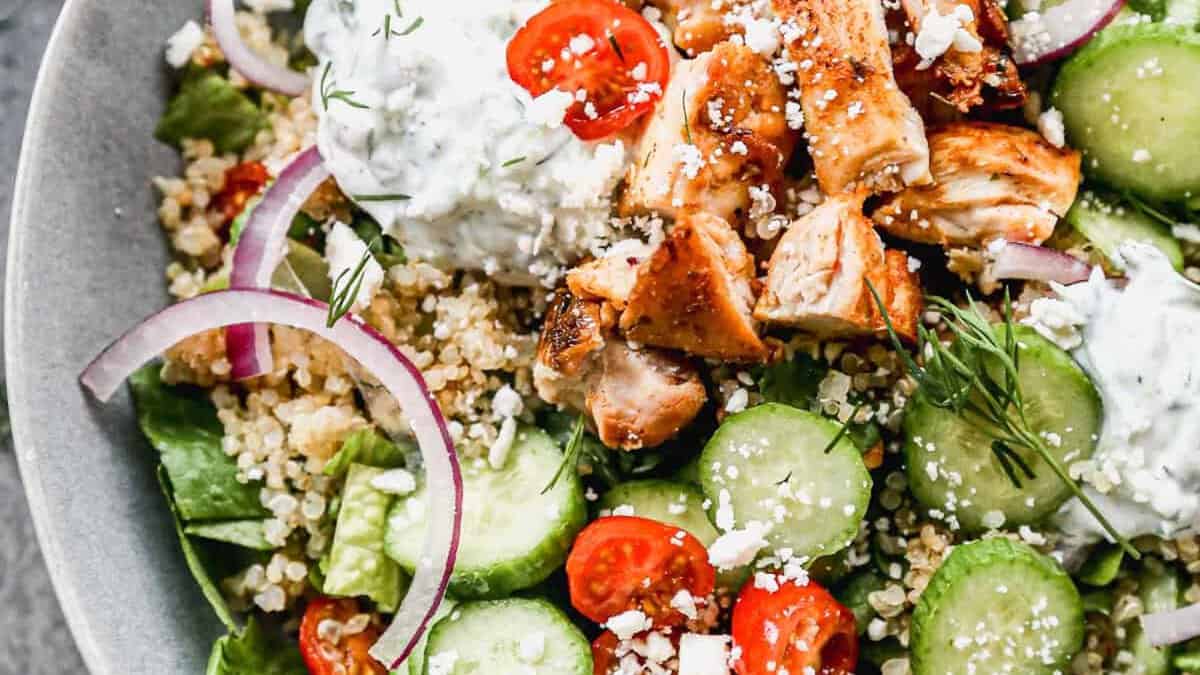
66g protein
560 kcal25 min
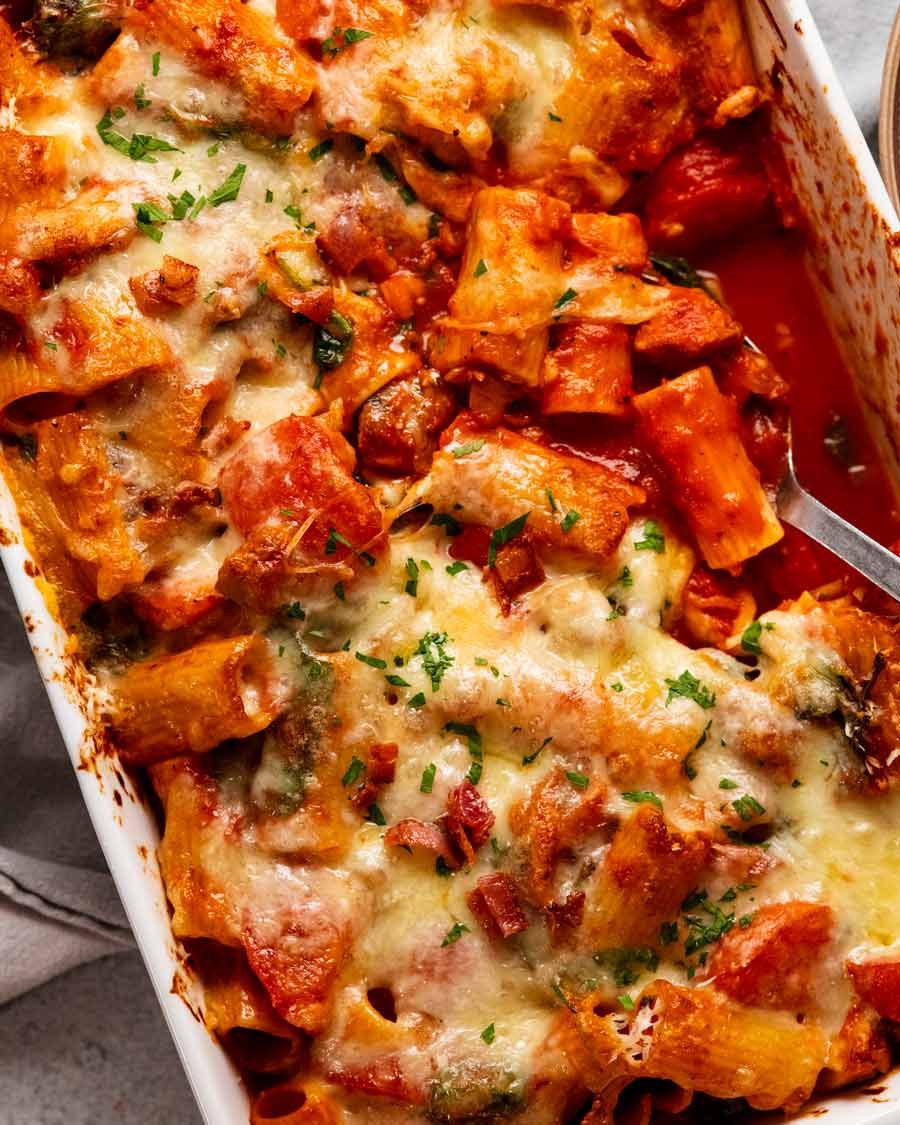
72g protein
720 kcal40 min
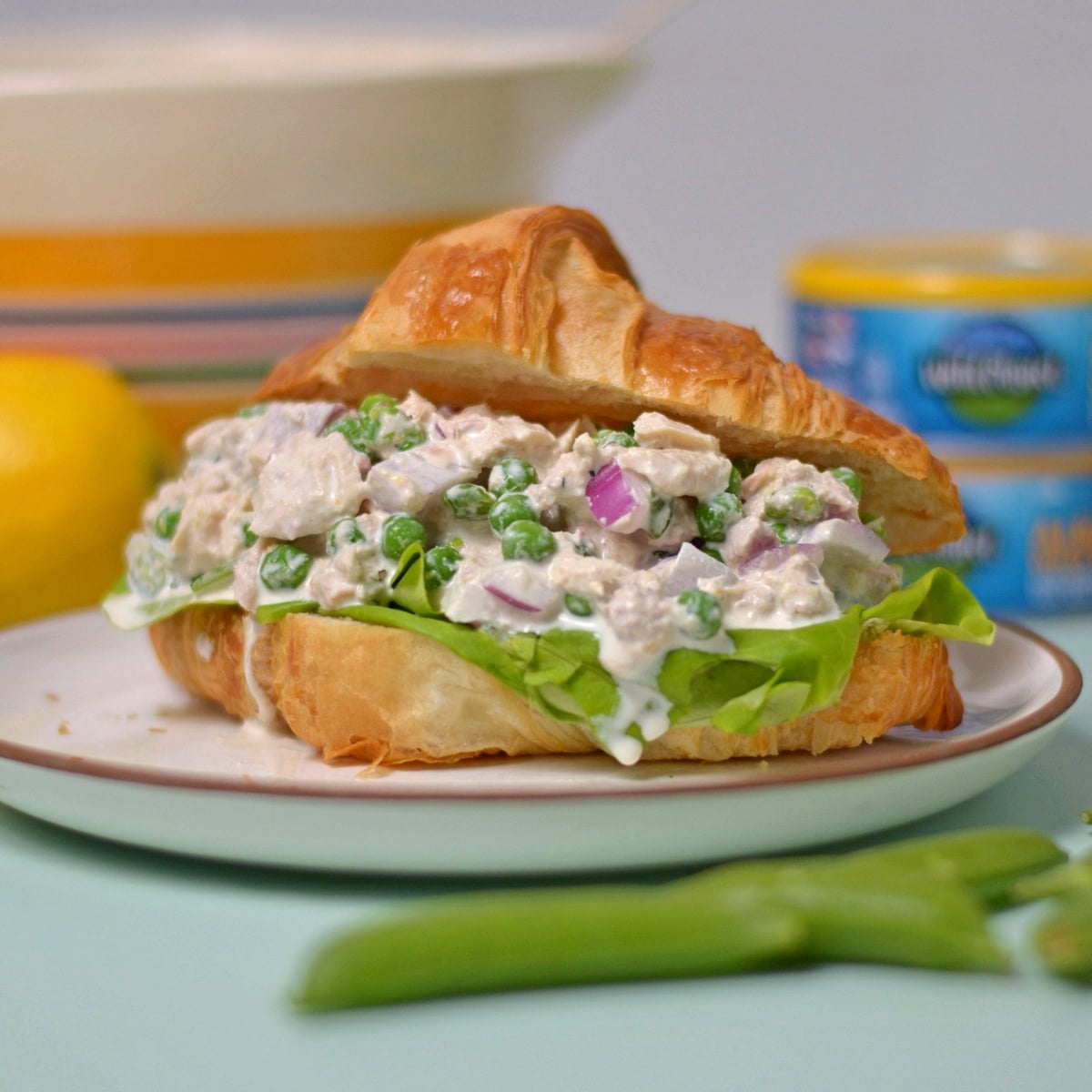
29g protein
155 kcal5 min
Serving suggestion — a photo of this kind of dish, not of this recipe.