
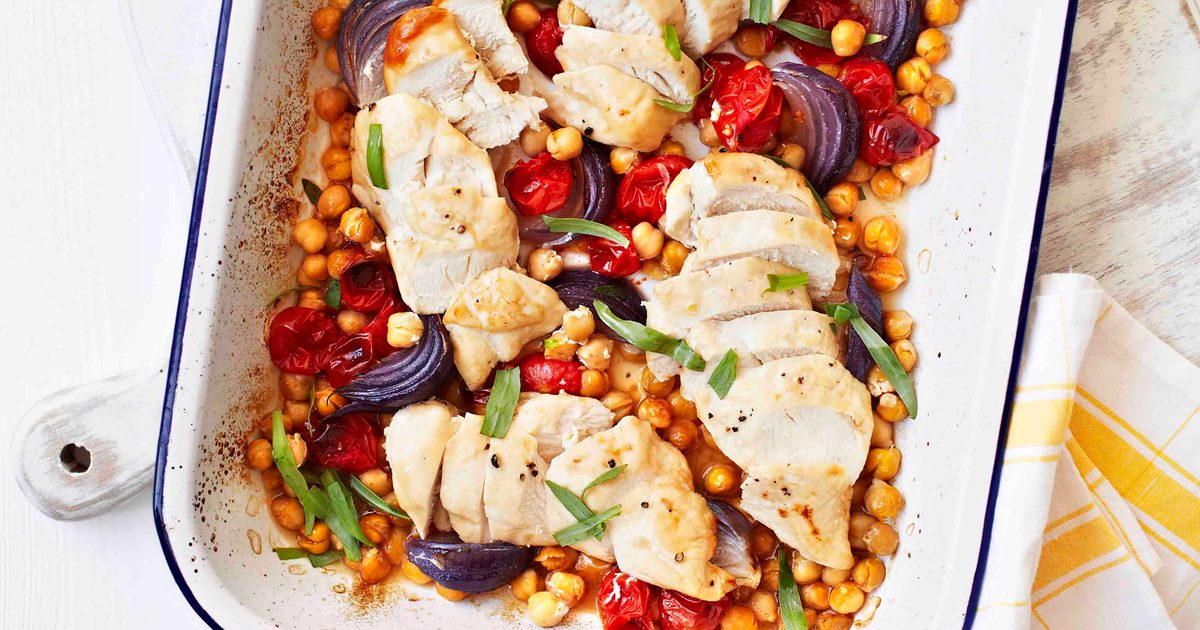
Sheet-pan pesto chicken, tomatoes & chickpeas
55g protein
515 kcal35 min
A high-protein meal plan is a week where every meal is chosen for its protein first and the calories are counted around it. This one is seven days of real recipes from the catalog — 1,590 to 1,785 kcal and 161g to 182g of protein a day at the published grams, with two batch cooks covering five of the lunches. Set your own targets and every plate in it resizes.
Four meals a day — breakfast, lunch, dinner and a snack — 24 different recipes, and every one of them a real page with its ingredients in grams. Each day’s total is added up from the plates’ published macros. Swap a plate you do not fancy, or remix a whole day, and the totals are added up again the same way; every plate on offer has macros that agree with its own ingredients.
179g protein1,595 kcal · 108g carbs · 49g fat
182g protein1,690 kcal · 121g carbs · 47g fat
170g protein1,615 kcal · 98g carbs · 59g fat
170g protein1,660 kcal · 122g carbs · 52g fat
161g protein1,590 kcal · 115g carbs · 54g fat
182g protein1,606 kcal · 123g carbs · 45g fat
176g protein1,785 kcal · 131g carbs · 59g fat
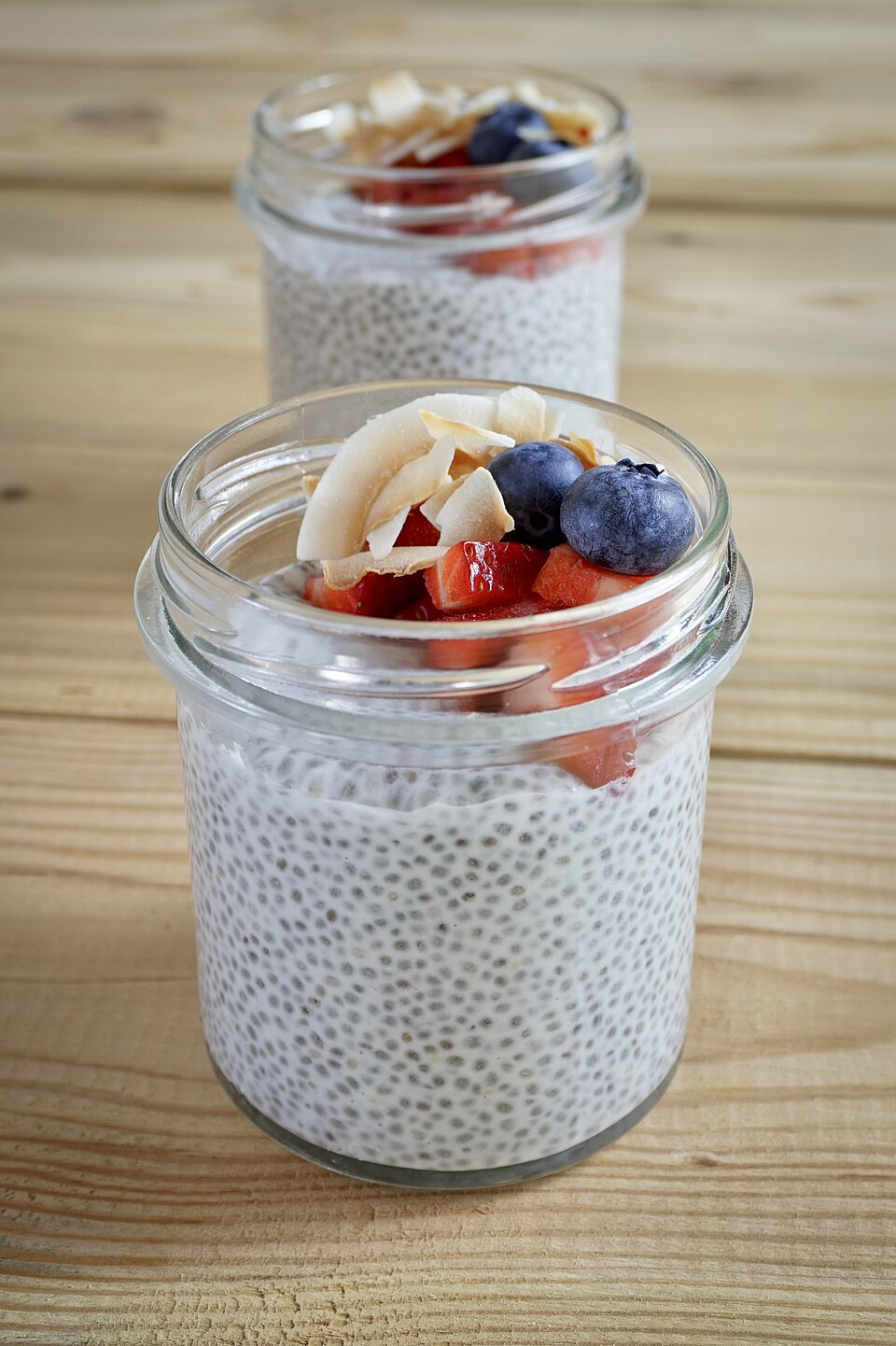
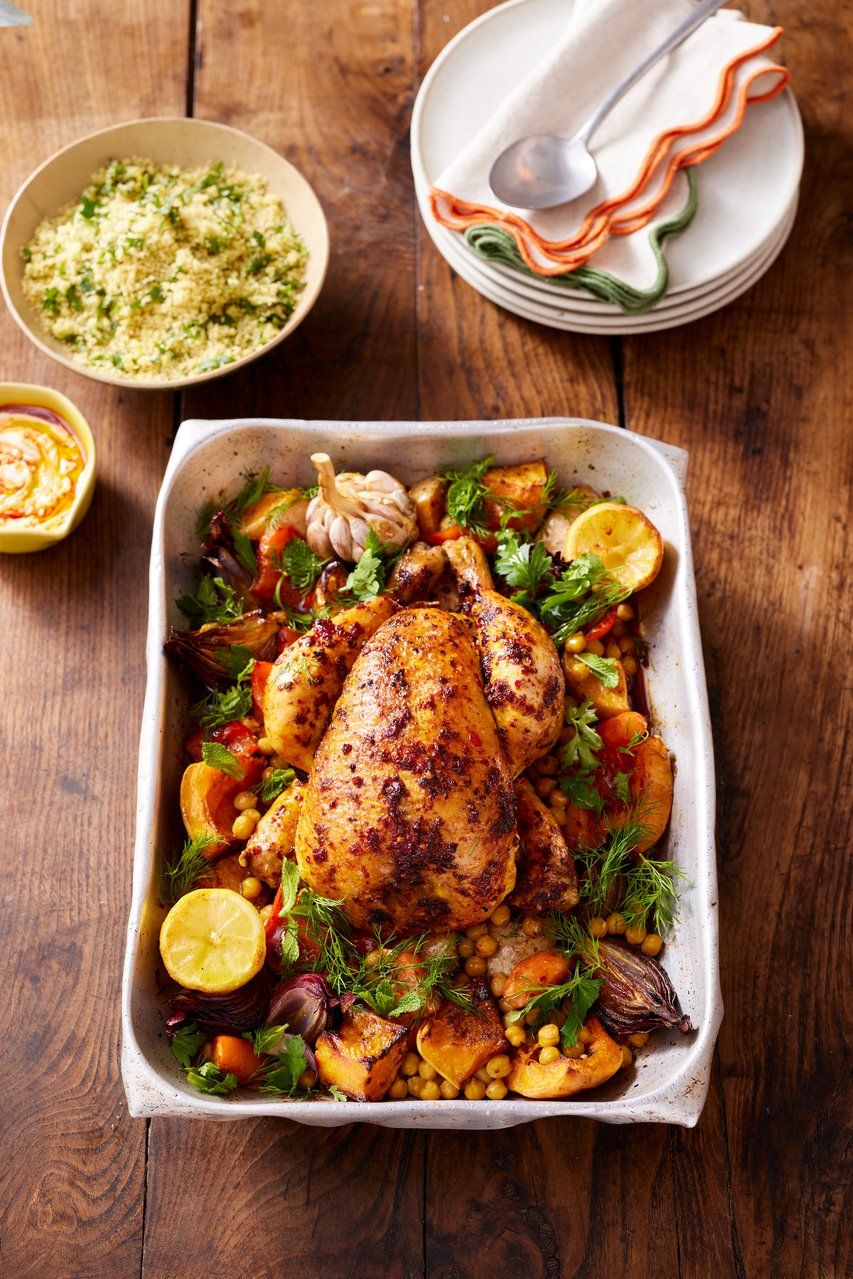
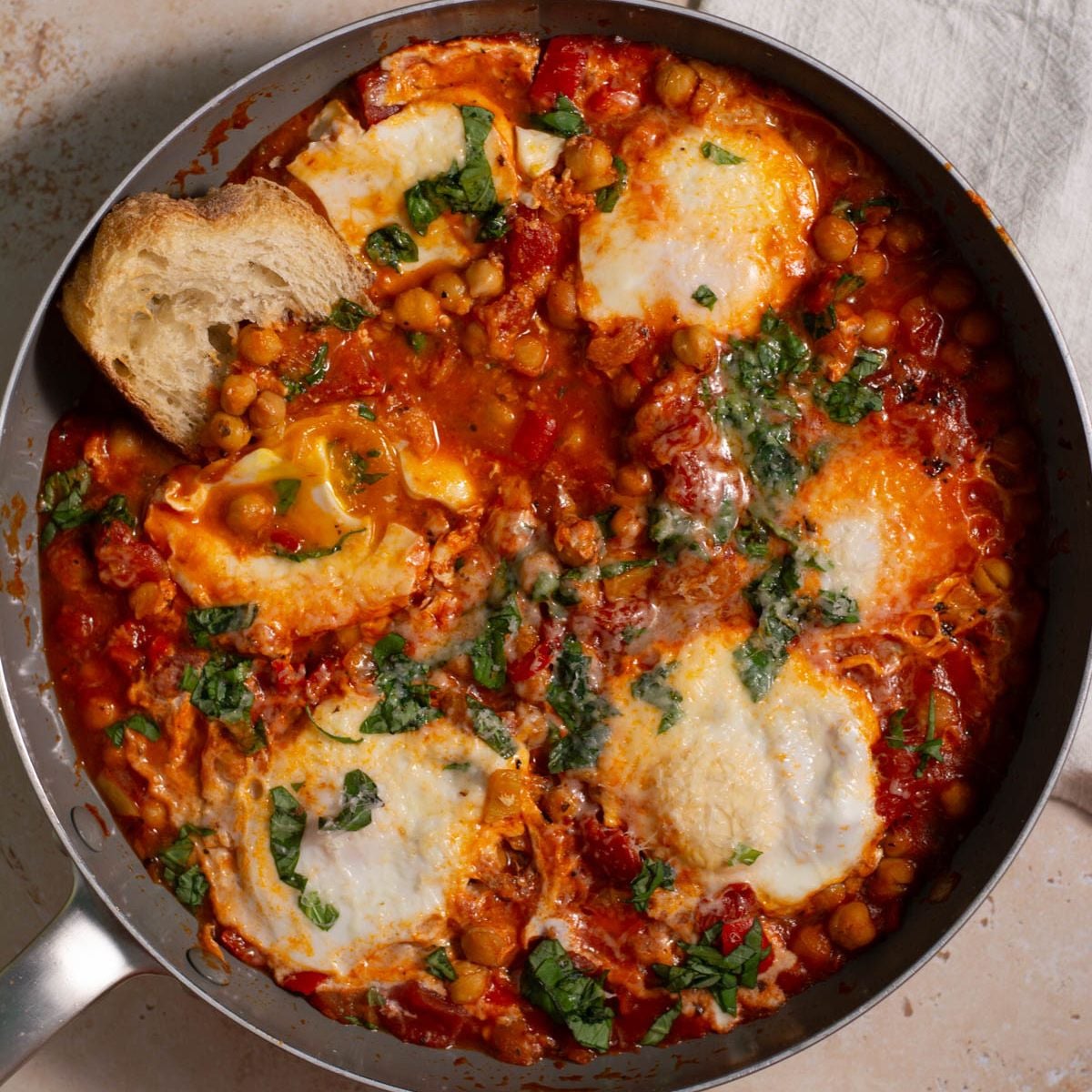
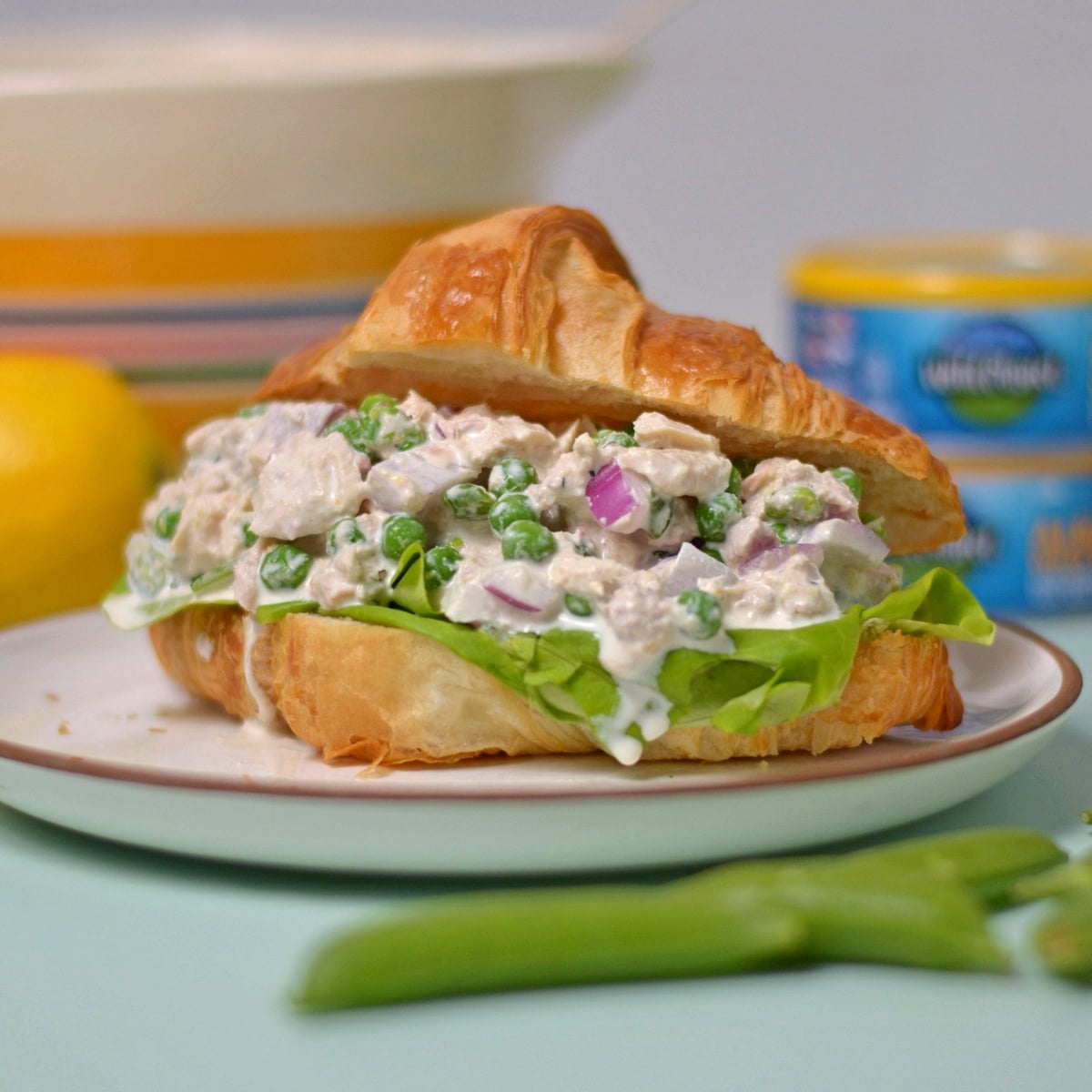
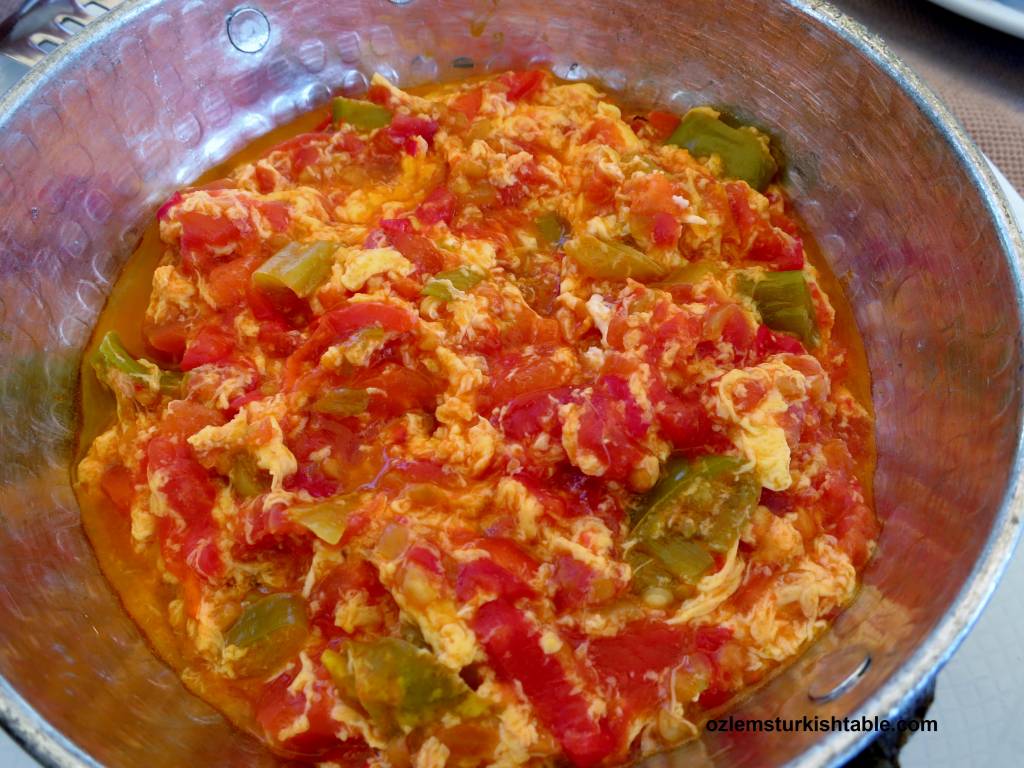
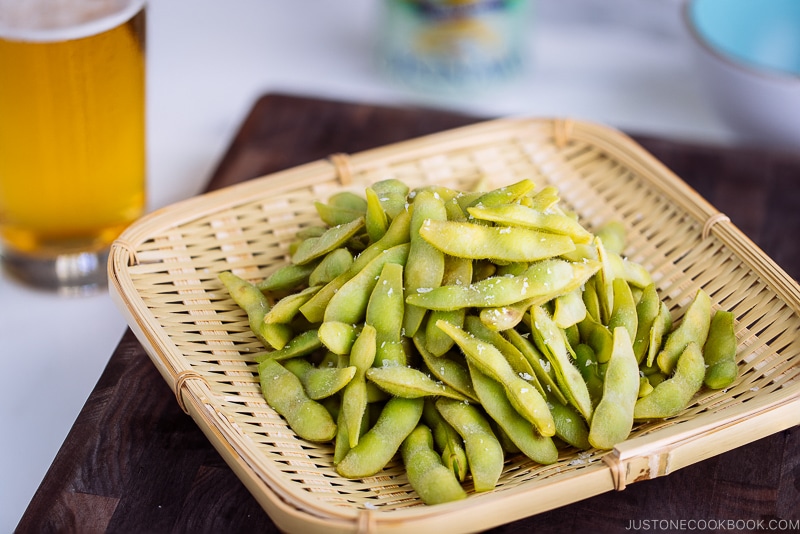
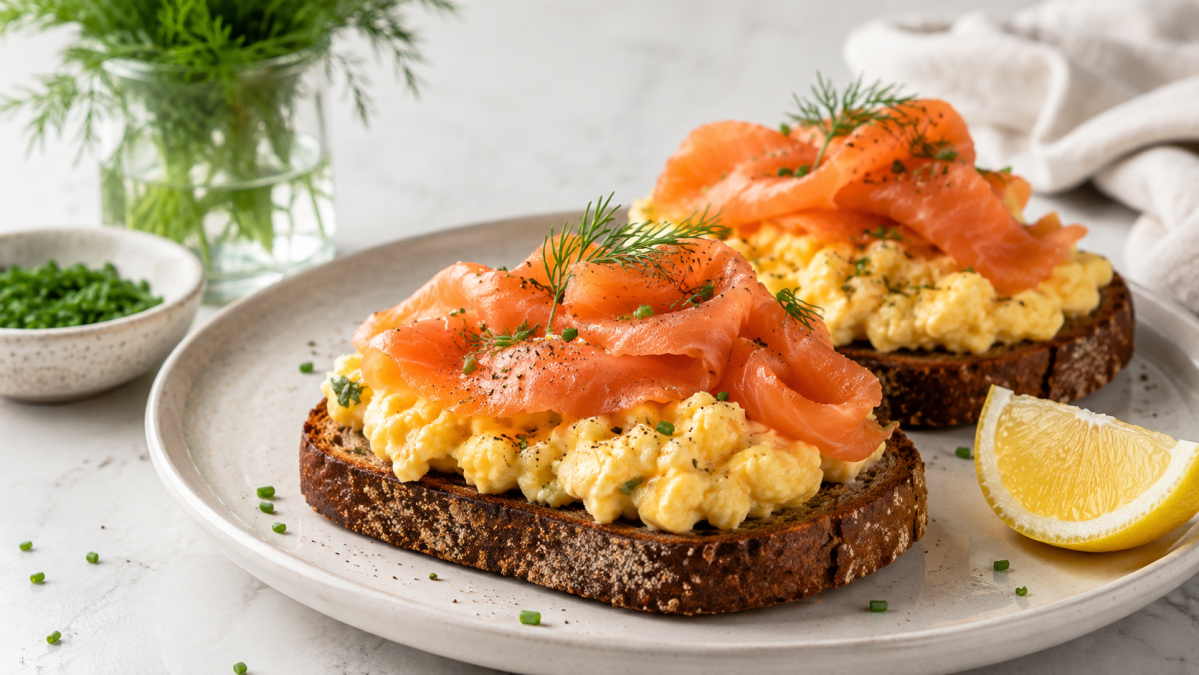
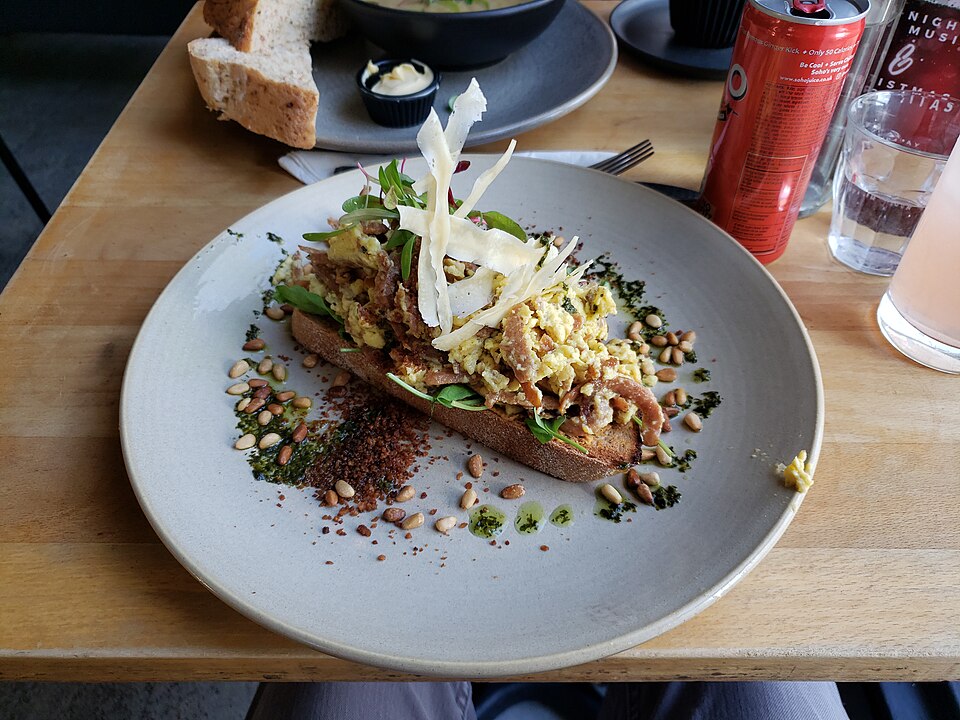
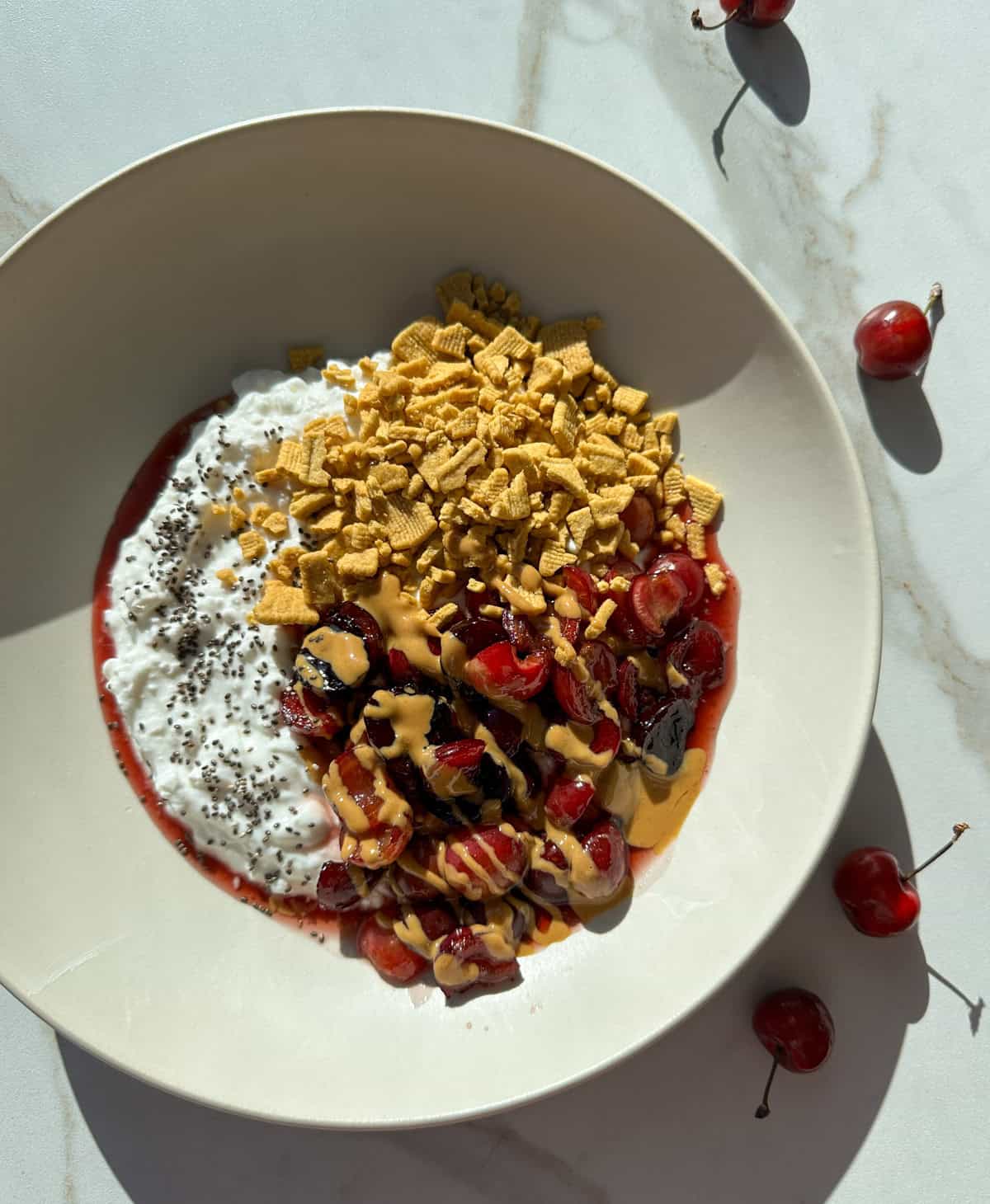
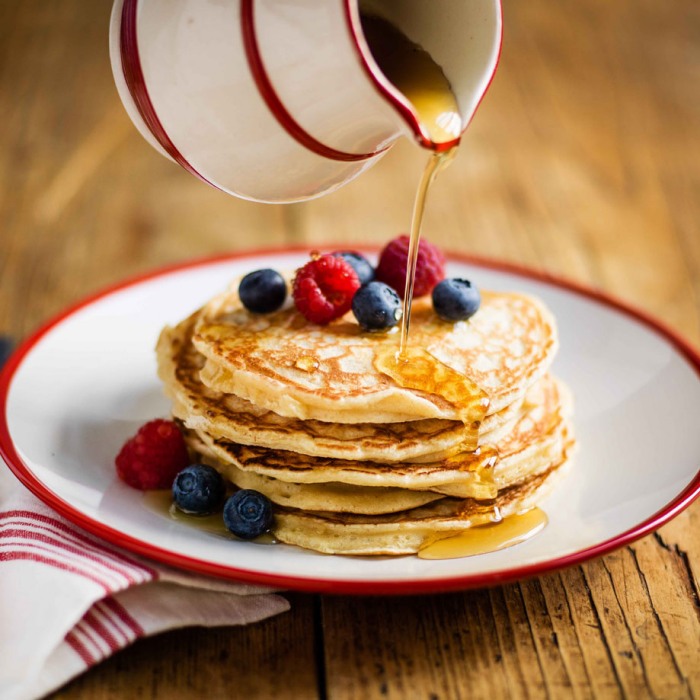
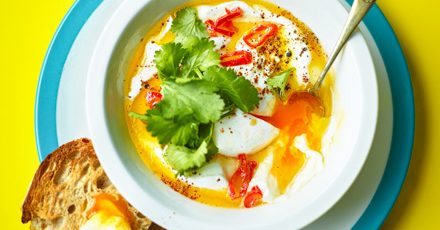
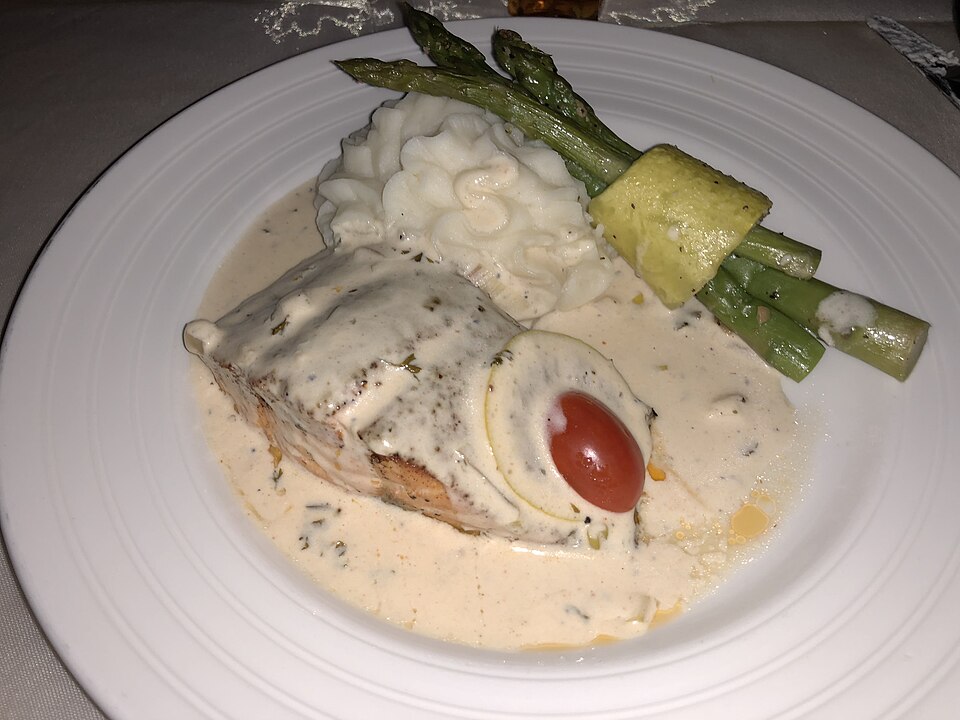
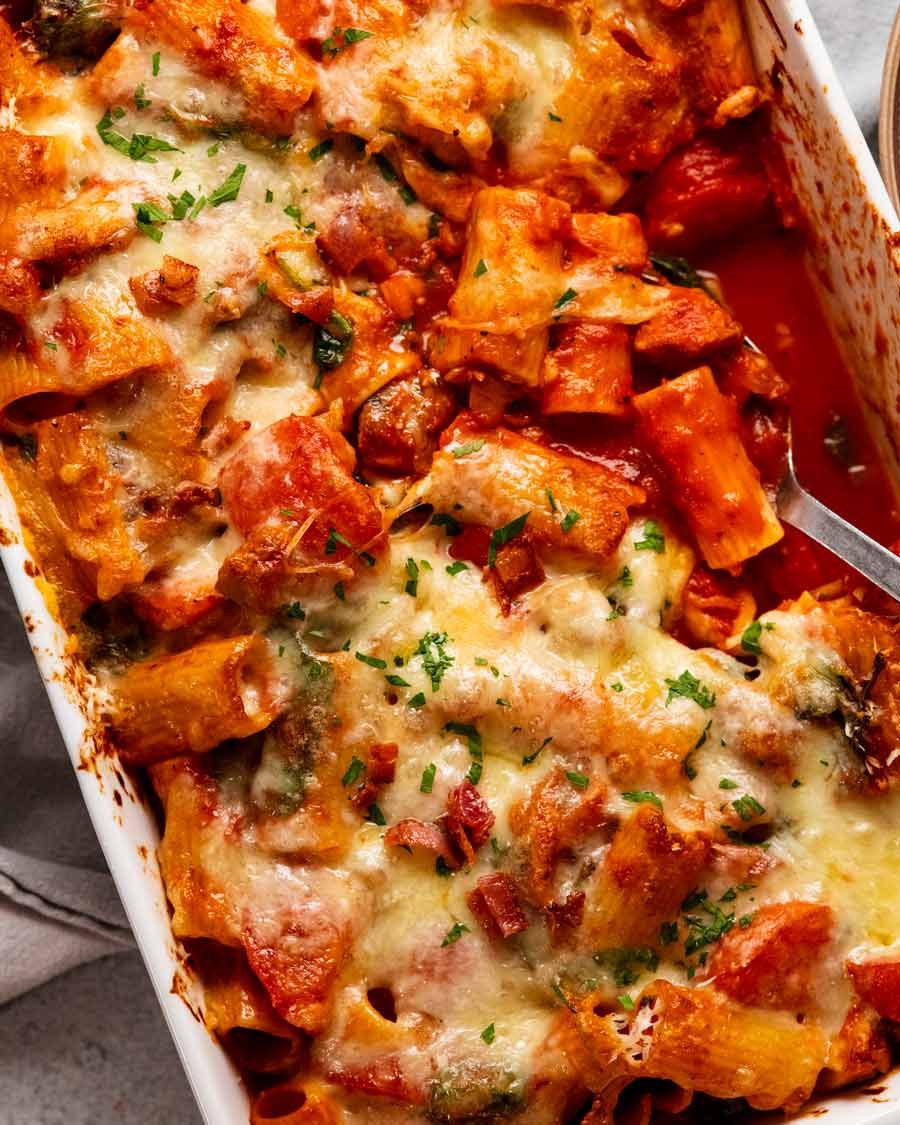
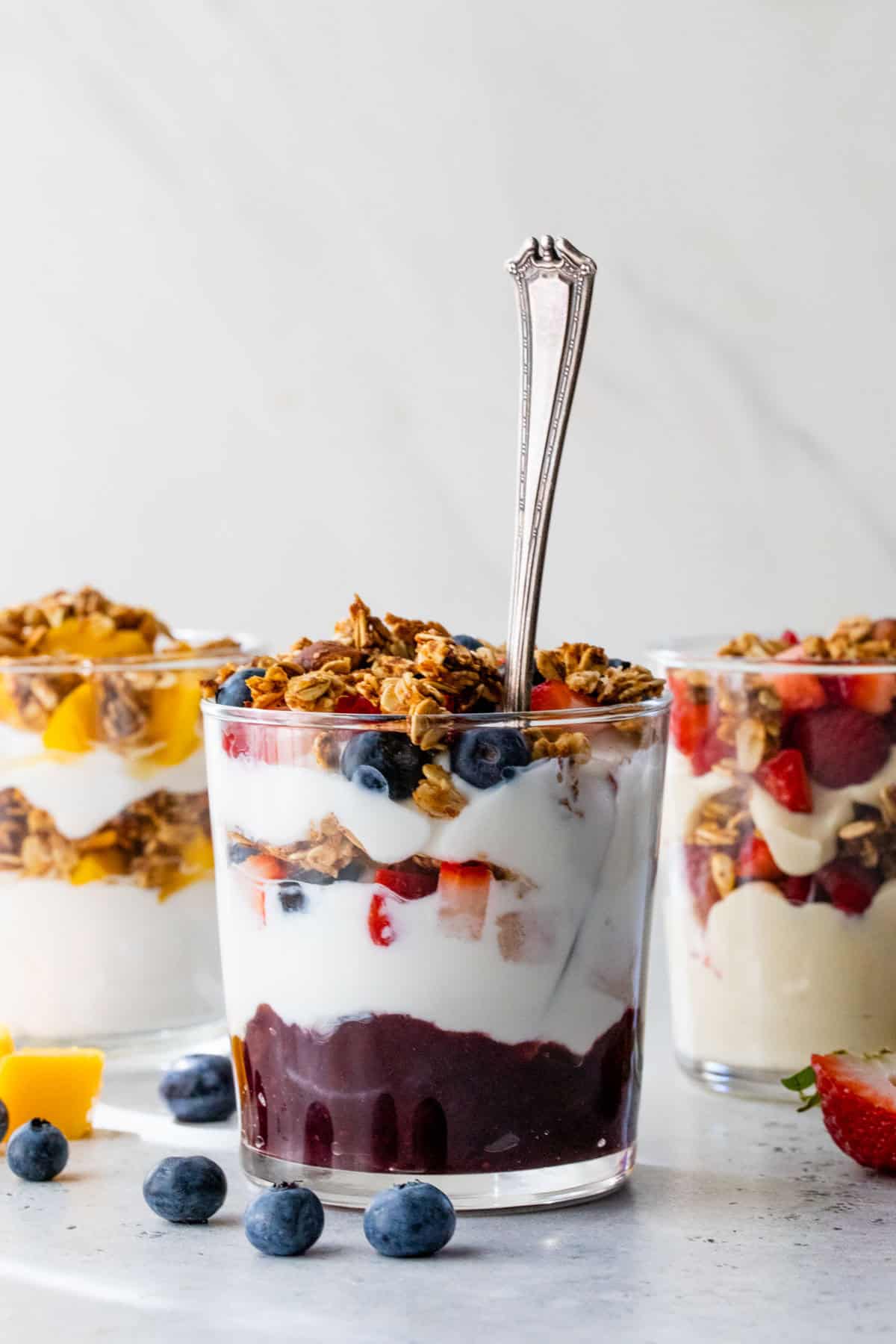
Published amounts, one serving of each; the day total is added up from the plates. Serving suggestion — a photo of this kind of dish, not of this recipe.
At the published grams that is 1,590 kcal to 1,785 kcal a day with 161g to 182g of protein, and 98g to 131g of carbs. The plates on this site are protein-dense, so the calories are modest for the protein: as printed, this is a week for someone eating to a deficit. The next section is for everyone else.
Nobody should eat a published plate just because it is published. Set targets and the planner resizes every plate towards its share of your day, growing the protein and shrinking a carb if the protein is short, and trimming fat that runs over its limit. These are the totals it produces for the same seven days at two sets of targets: 1,800 kcal (150g protein, 180g carbs, 60g fat) and 2,400 kcal (180g protein, 260g carbs, 80g fat).
| Day | As published | At 1,800 kcal | At 2,400 kcal |
|---|---|---|---|
| Monday | 1,595 kcal179g protein | 1,767 kcal201g protein | 2,315 kcal264g protein |
| Tuesday | 1,690 kcal182g protein | 1,755 kcal182g protein | 2,306 kcal241g protein |
| Wednesday | 1,615 kcal170g protein | 1,657 kcal174g protein | 2,313 kcal242g protein |
| Thursday | 1,660 kcal170g protein | 1,691 kcal173g protein | 2,379 kcal246g protein |
| Friday | 1,590 kcal161g protein | 1,755 kcal179g protein | 2,277 kcal230g protein |
| Saturday | 1,606 kcal182g protein | 1,670 kcal186g protein | 2,350 kcal259g protein |
| Sunday | 1,785 kcal176g protein | 1,740 kcal175g protein | 2,136 kcal214g protein |
At 1,800 kcal the week fits with modest resizing: every day lands between 1,657 kcal and 1,767 kcal, with 173g to 201g of protein against a 150g aim. Going over on protein is not a problem the planner corrects, because protein is an aim to reach rather than a limit.
At 2,400 kcal the plates grow, and two things happen. On 6 of the 7 days at least one plate stops at 1.5× — the largest any single plate is allowed to become, because past that it is a different meal — so the days land between 2,136 kcal and 2,379 kcal. And because the whole plate grows, protein climbs to 214g to 264g, well past the 180g aim. On a day that size, the better move is to keep these plates near their printed size and add the extra calories as carbs — rice, bread, fruit, a bigger potato — or as a fifth meal.
Five of the seven lunches come from two batch cooks, which is what makes a week like this realistic for a working week. Harissa chicken & chickpea tray covers Monday, Tuesday and Wednesday: cook 3 boxes at once. Beef ragu for the week covers Thursday and Friday: cook 2 boxes at once. Each batch recipe is written as one box and scales to as many as you cook, and every box keeps the macros of one serving. The weekend lunches are cooked fresh.
The snacks are assembly — skyr and almonds, tuna on rice cakes, cottage cheese — and 6 of the 7 breakfasts take 15 minutes or less, so the real cooking on a weekday is dinner. Add the days to your week and mark the later batch days as leftovers: the shopping list then asks for each batch’s ingredients once and adds up the raw weights for everything else.
Each meal takes a fixed share of the day, 25/30/35/10 across breakfast, lunch, dinner and snack, so protein arrives four times rather than all at dinner. How to split a day’s macros explains the shares and what happens when you skip one. No dinner repeats. Tofu, spinach & chickpea curry with yogurt is a vegetarian main, to show the plan does not need meat at every meal. Every plate in the week has macros that agree with its own ingredients, within the tolerance the methodology publishes.
Swap any plate for another from the same slot and the day stays balanced, because the replacement is portioned to the same share: high-protein breakfasts, high-protein lunches, high-protein dinners and high-protein snacks. Cutting carbs? The high-protein low-carb meals page has 21 plates at 20g of carbs or less and a low-carb day added up. Vegetarian? Start from the vegetarian high-protein meals.
A meal plan is only as good as the target under it. If you do not have one, work out your targets first, or bring them from your tracker. How much protein is worth eating, and when it is not a good idea, is on the benefits of a high-protein diet. This is not medical advice, and a high-protein week is not right for everyone — in particular not with some kidney conditions.
No dinner repeats across the seven days. Set your targets and each card shows the portion for your day.
55g protein
515 kcal35 min
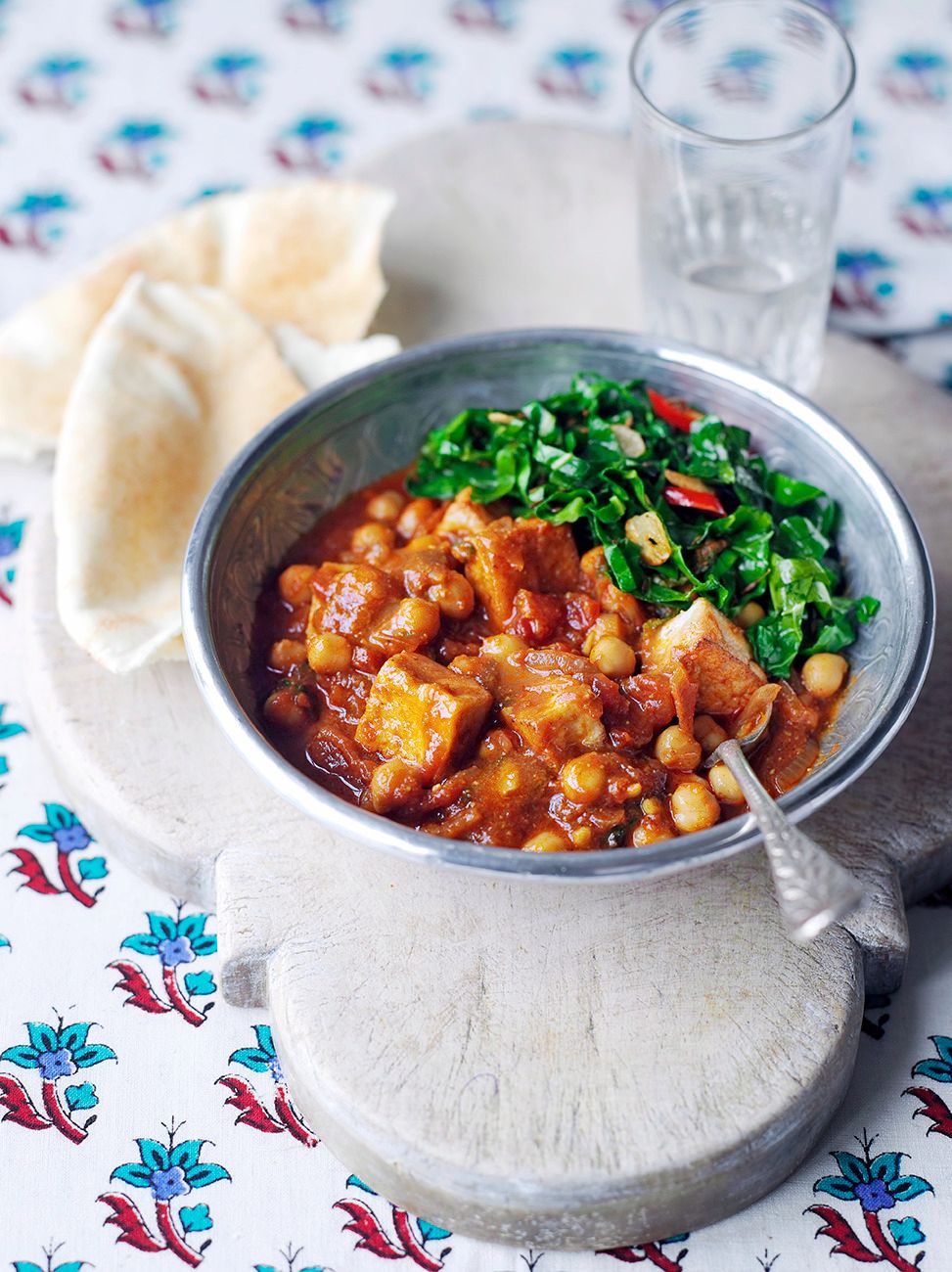
53g protein
545 kcal25 min
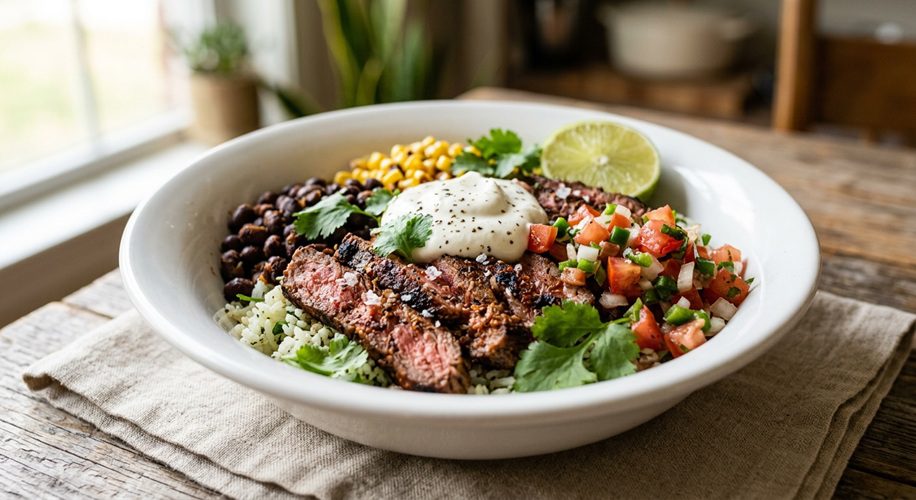
55g protein
530 kcal20 min
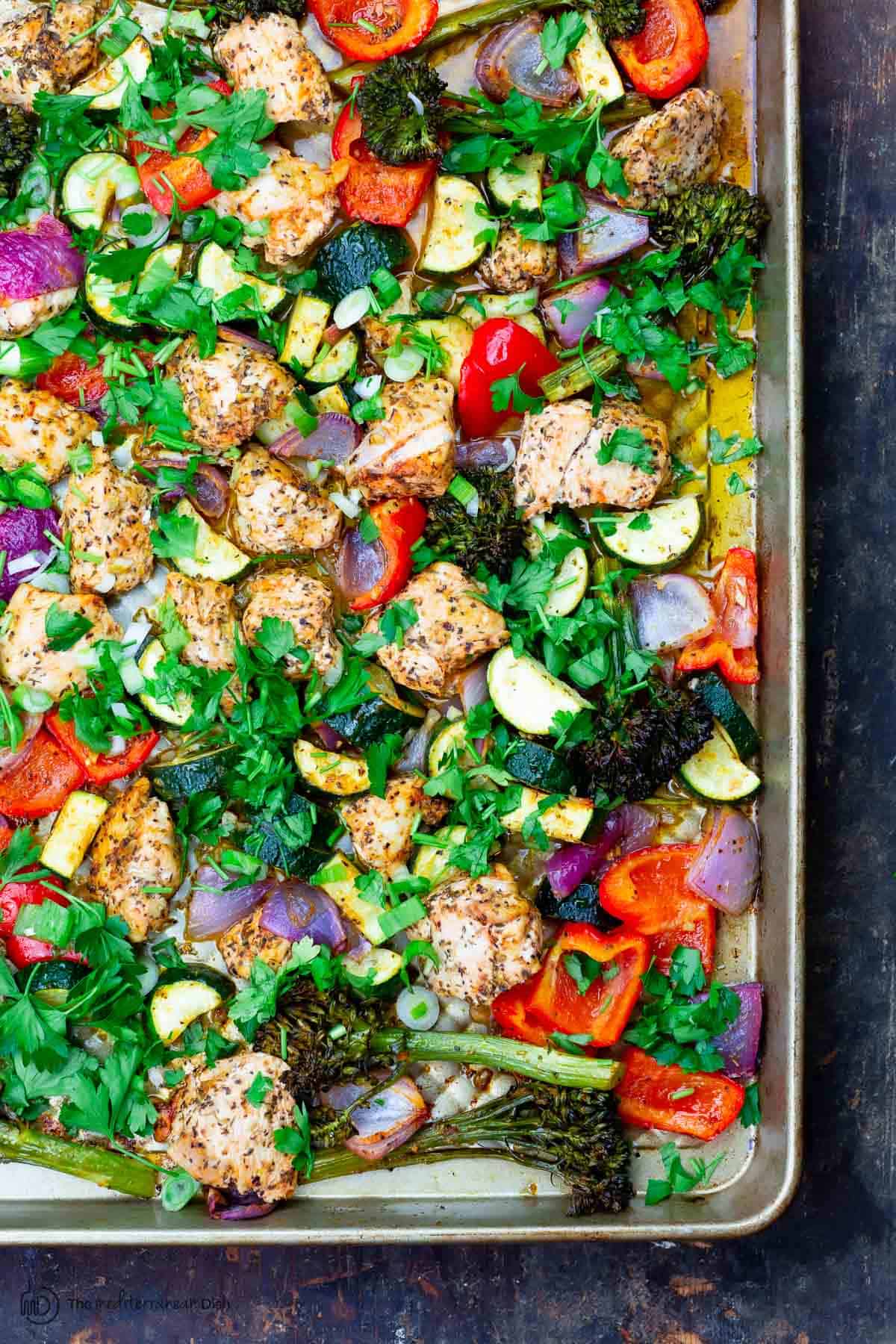
62g protein
560 kcal40 min
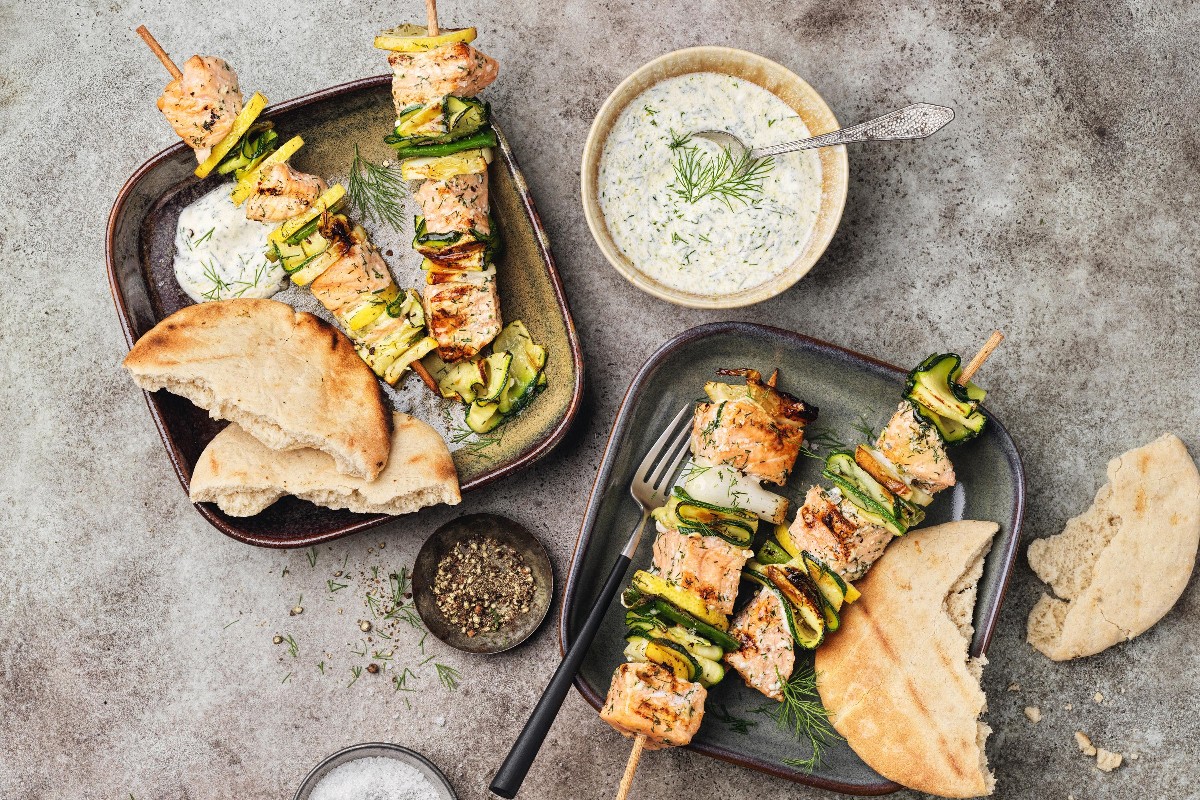
52g protein
515 kcal25 min
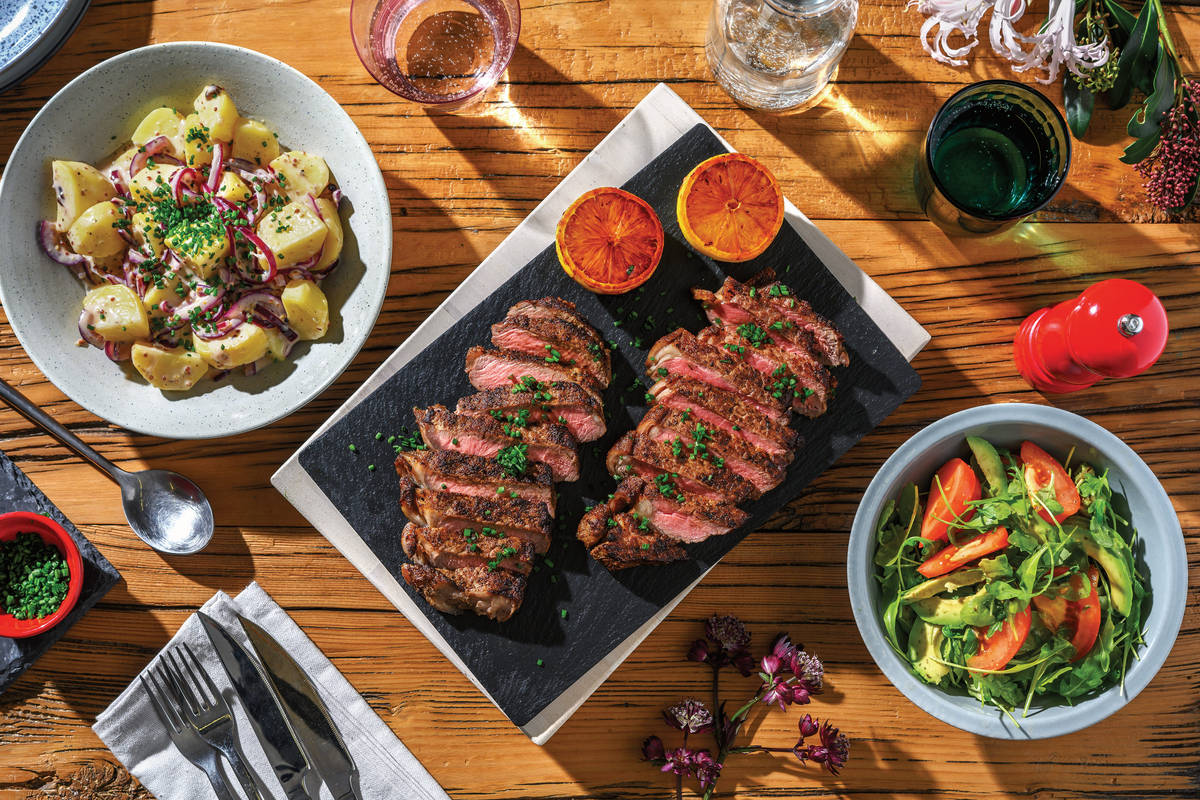
55g protein
546 kcal25 min
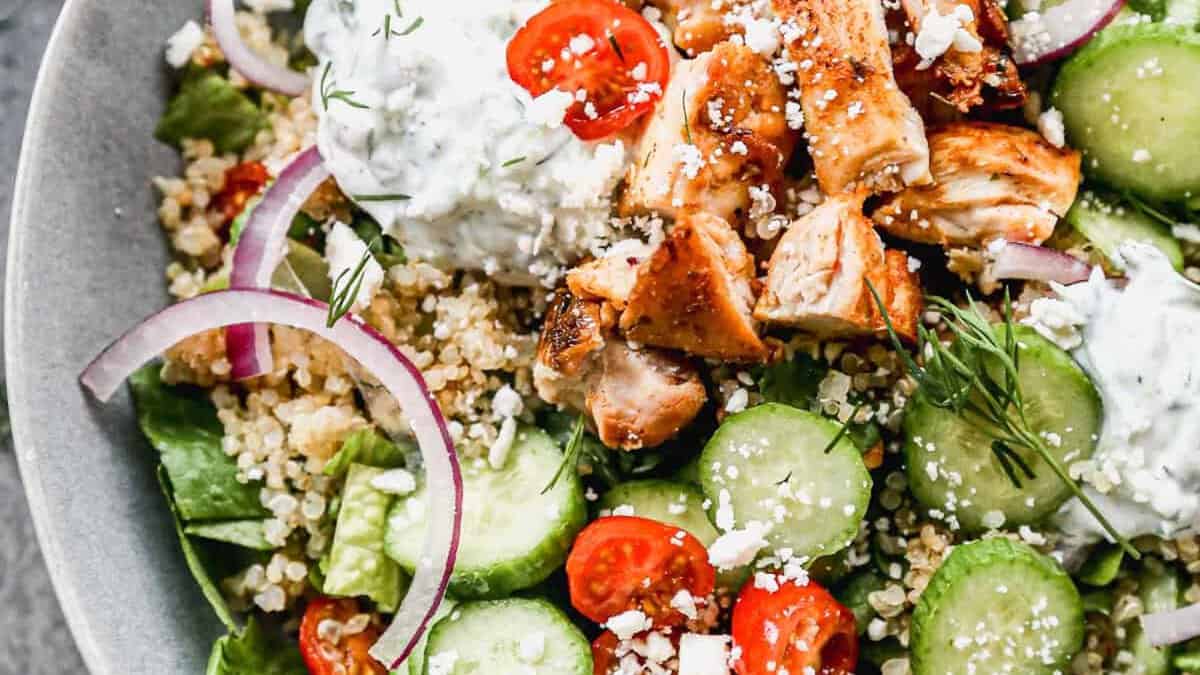
Serving suggestion — a photo of this kind of dish, not of this recipe.